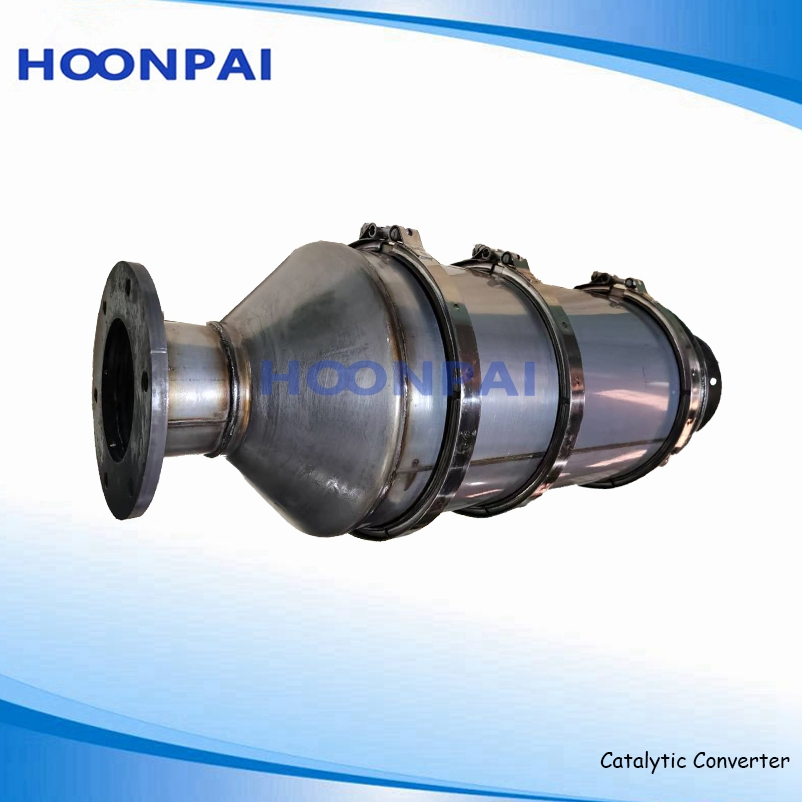
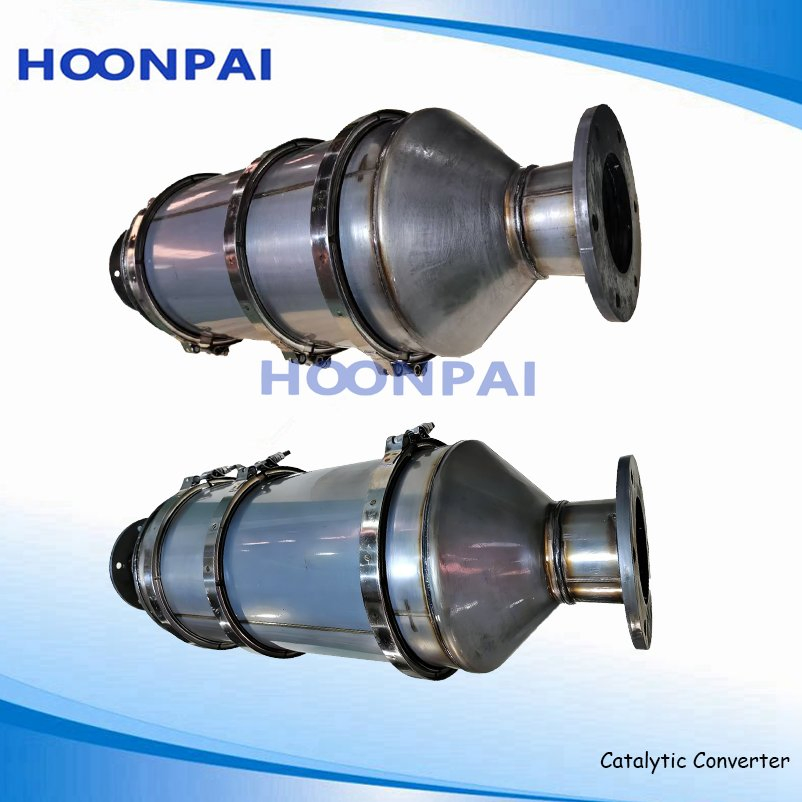
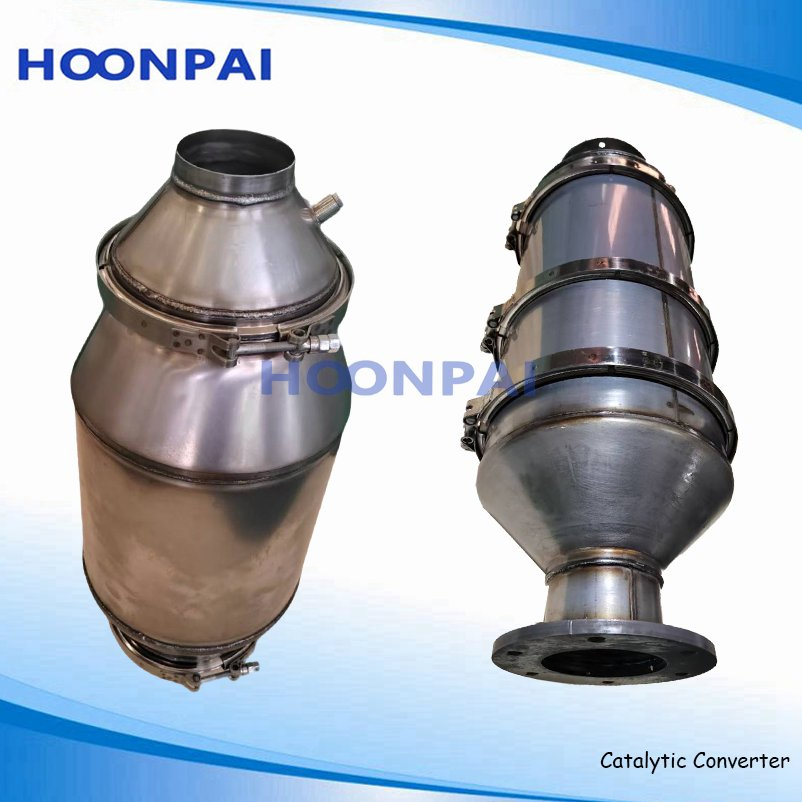
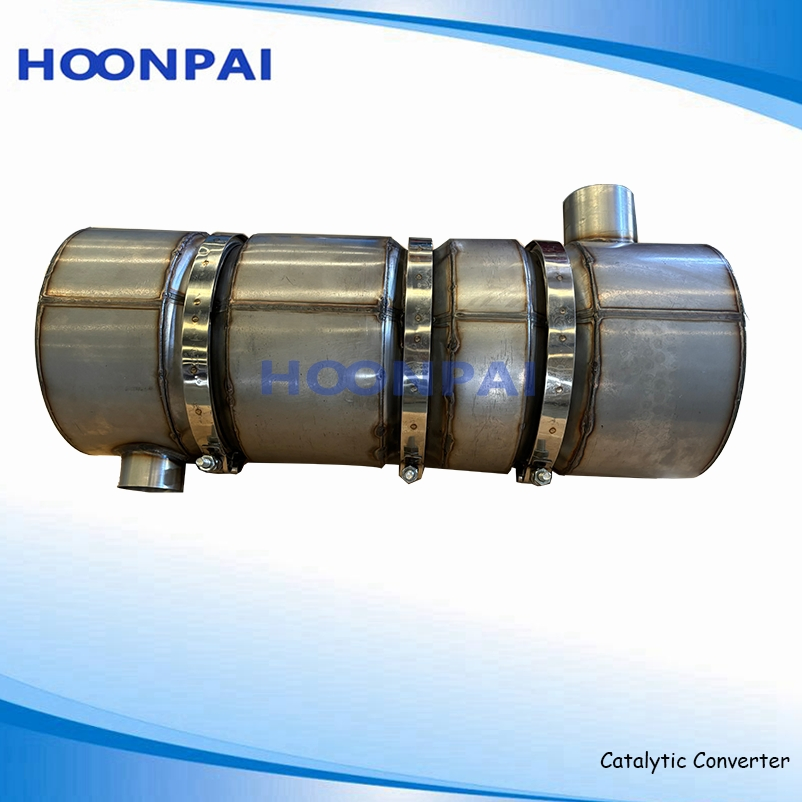
Auto Engine Parts Customized Industrial DPF Doc SCR Catalyst /Catalytic Converters for Island Power Plant/Waste Gas Treatment/Natrual Gas

Still deciding? Get samples of $ !
Order Sample

Product Description

Basic Specifications
Model NO.
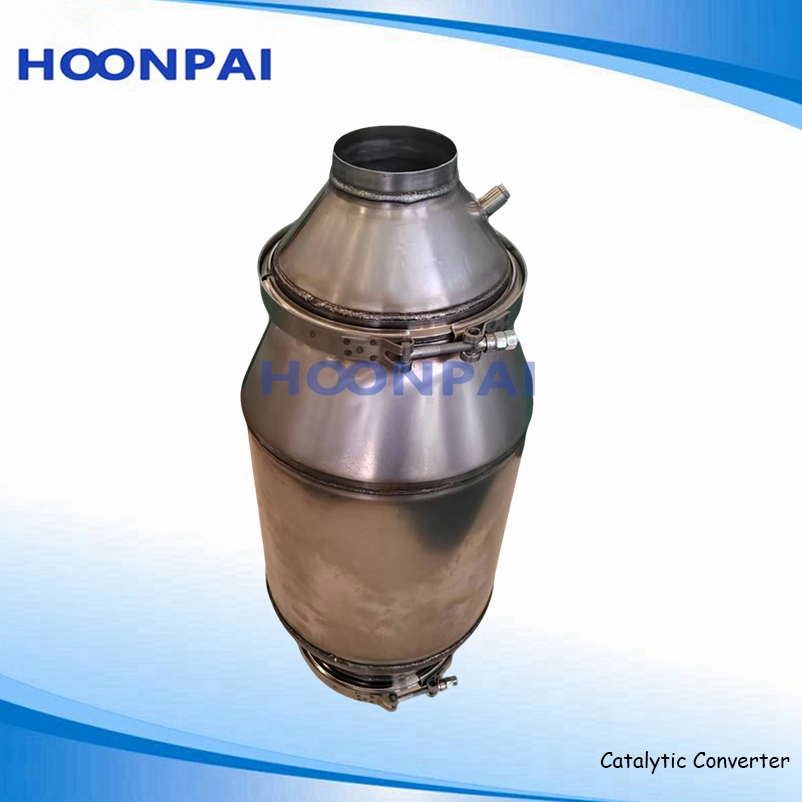
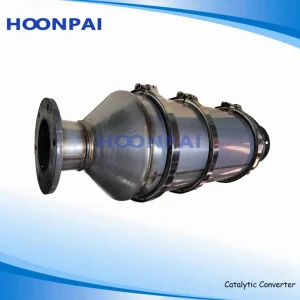
Catalytic Converter
Car Brands
All Brands
Engine Type
Diesel Engine
Material
Cordierite
Emission
Euro IV
Mesh Count
200-400 Mesh
Production
500,000 pcs/Month
Certificates
ISO9001, TS16949, CE, E-Mark
Product Description
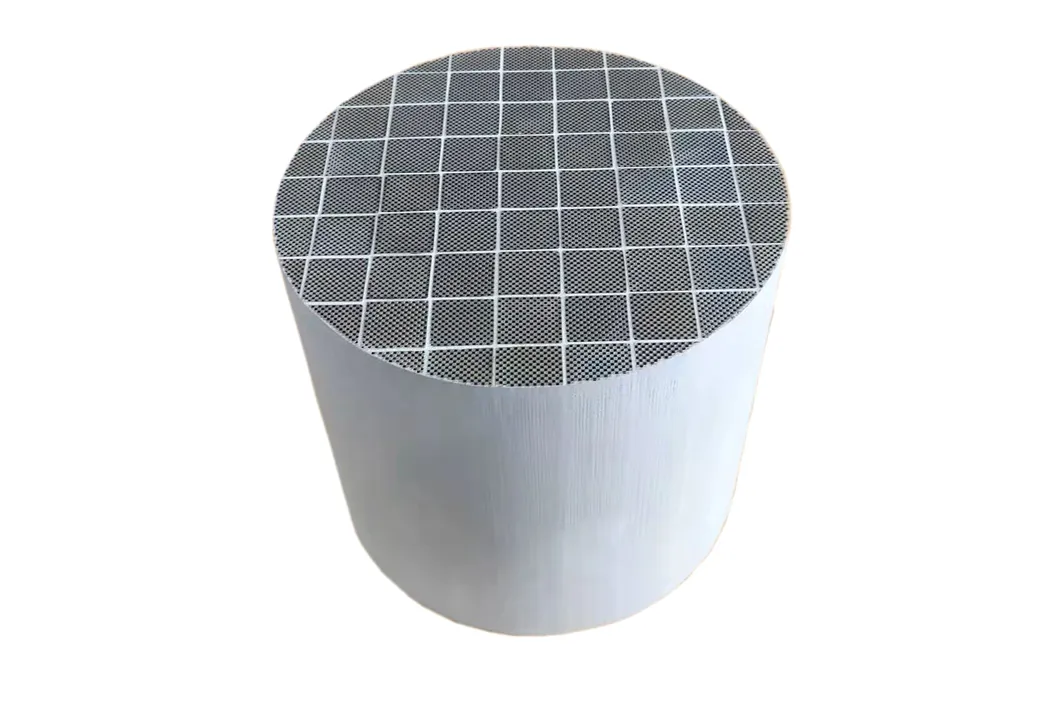
DPF

💡 DPF INTRODUCTION

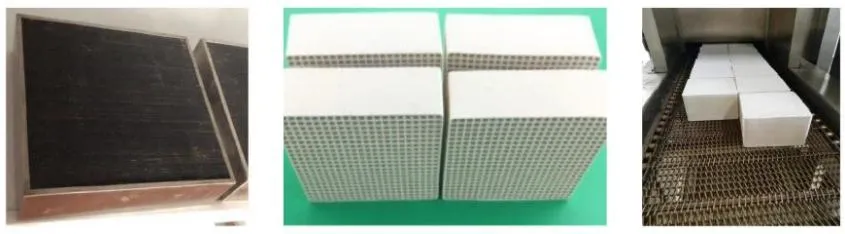
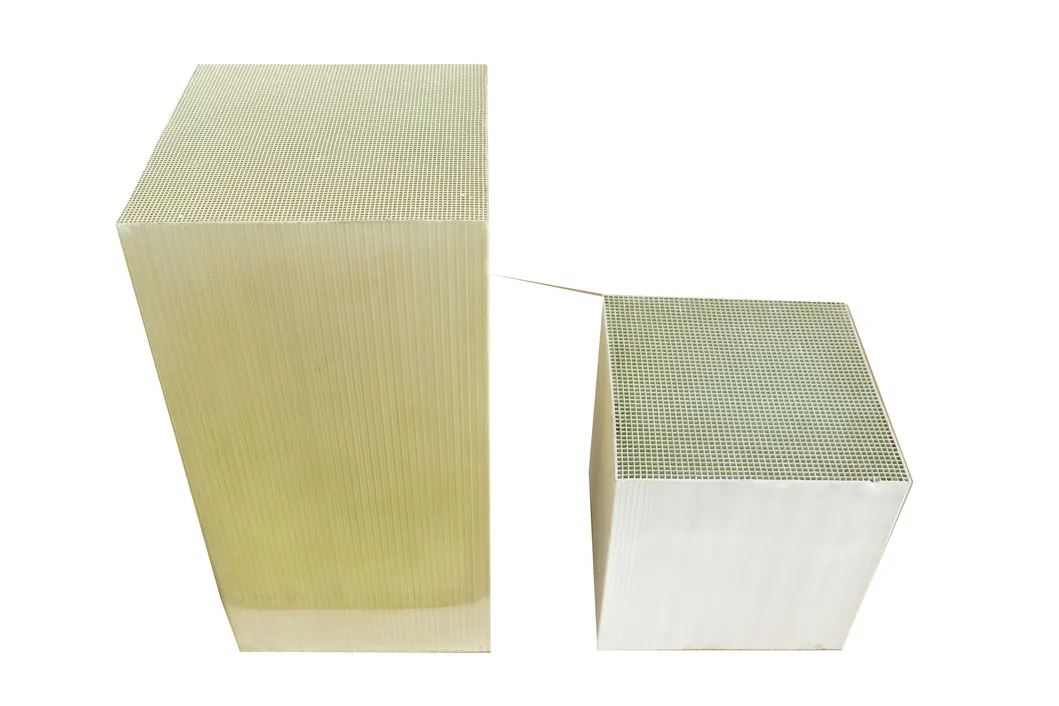
DPF is the only option to satisfy particle number emissions. Support materials include ceramics, aluminum titanate, and silicon carbide. Our coating technologies are based on a high thermal stable wash coat formulation with excellent NO2 formation.

⚙️ DOC INTRODUCTION

DOC oxidizes unburned hydrocarbons (HC) and carbon monoxide (CO) into water and carbon dioxide. It also converts NO into NO2 for passive regeneration of downstream CDPF and improves NOx conversion efficiency of SCR systems.
DOC
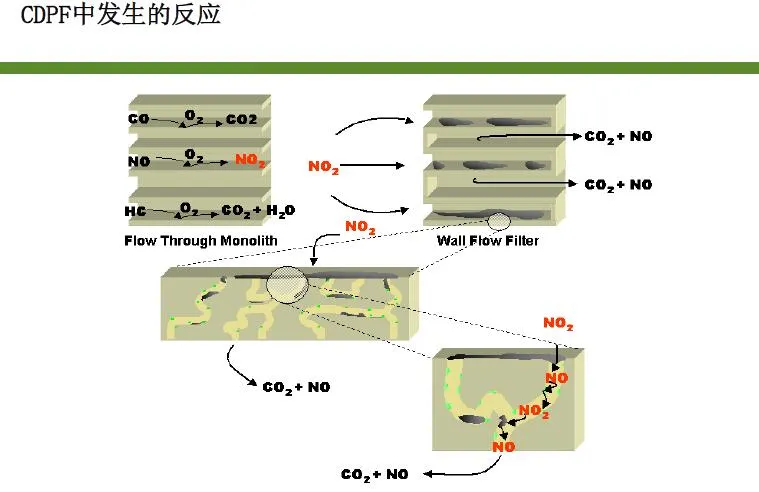
Working Principle of DOC + CDPF
Working Principle
  • DOC: Oxidation of NO to NO2 and removal of CO and HC.
  • CDPF: Captured carbon particles react with NO2 at low temperature to produce CO2.
  • Continuous Utilization: NO produced is re-oxidized to NO2 for ongoing particle reaction.
Product Advantages
  • Excellent thermal shock resistance
  • Unique cellular designs reducing vortex
  • Accurate extrusion for stable quality
  • Obvious filtration efficiency
  • Improved casting surface performance
  • Prolonged working life of components
  • Stable chemical composition
  • Precise dimension for auto-mounting
Technical Specifications
Type Diameter (mm) Height (mm) Channels
DPFΦ143.8 - Φ33076.2 - 305200/300 CPSI
SCR CatalystΦ143.8 - Φ33076.2 - 152.4200/300 CPSI
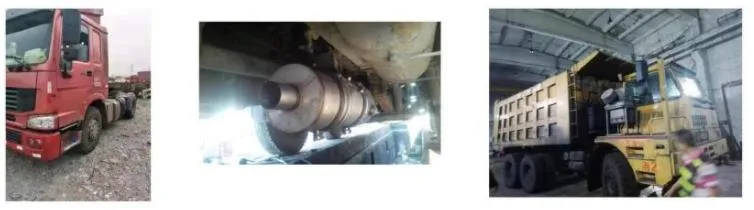
Application Projects
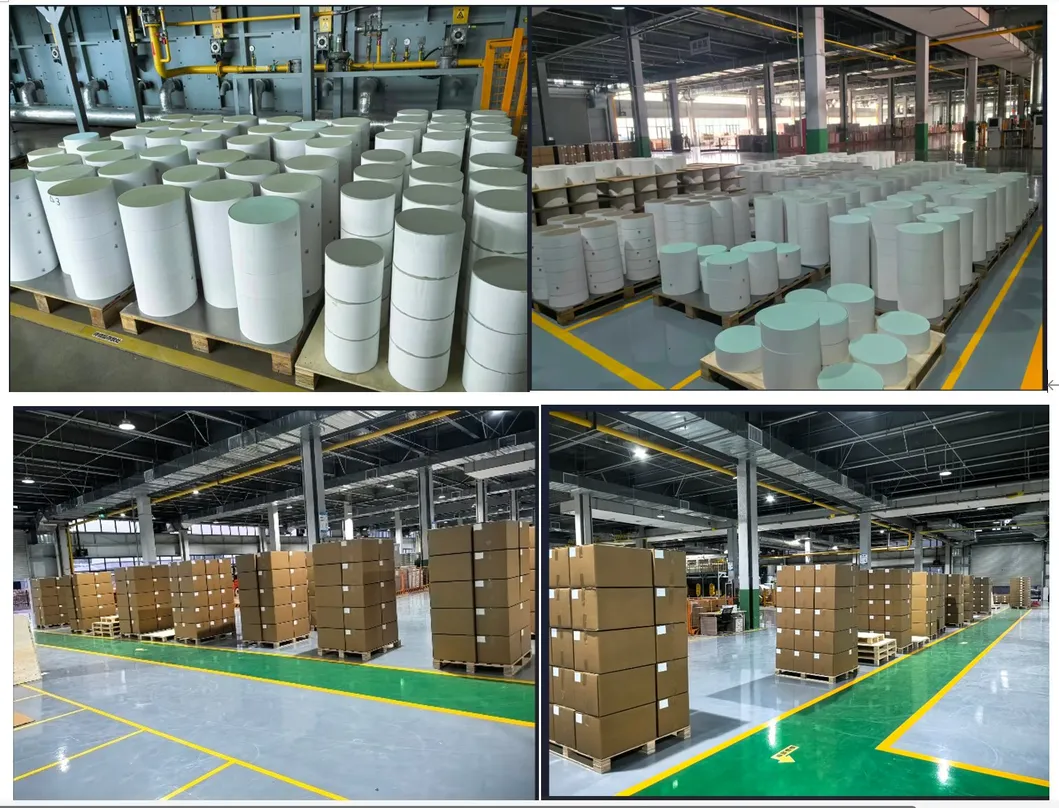
Production Capacity

Our facility covers 30,000 m² with an annual production capacity reaching up to 6 million liters. We specialize in the manufacturing of catalytic converters for diesel vehicles and industrial applications, including DOC, DPF, and SCR systems.
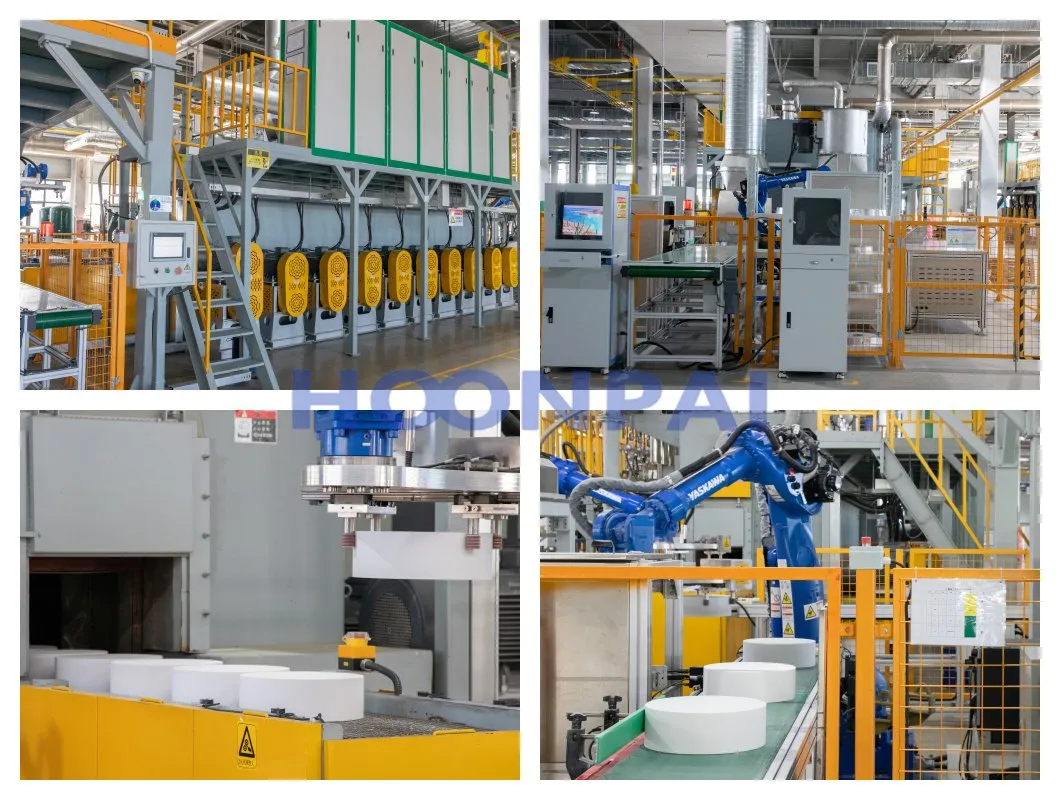
Production Line
Frequently Asked Questions
Q1: What is the main function of a DOC in a diesel engine? The main function of the Diesel Oxidation Catalyst (DOC) is to oxidize unburned hydrocarbons and carbon monoxide into harmless water and carbon dioxide, while also assisting in passive regeneration.
Q2: What materials are used for DPF support? Common materials for Diesel Particulate Filter (DPF) support include Cordierite ceramics, aluminum titanate, and silicon carbide, chosen based on thermal requirements and filtration efficiency.
Q3: Do these converters meet international emission standards? Yes, our products are designed to meet various standards including Euro IV, V, and VI, and are suitable for road vehicles and non-road T4 machinery.
Q4: Can dimensions be customized for specific applications? Yes, we provide customized catalyst products and sizes based on specific engine input and customer requirements.
Q5: What is your production capacity for catalytic converters? Currently, our facility has an annual production capacity of up to 6 million liters, with a monthly output capability of approximately 500,000 pieces.

Related Products