Ensuring safe power transmission in adapter applications is critical in today's tech-driven world. According to a report by the Institute of Electrical and Electronics Engineers (IEEE), over 140 million power adapters are sold annually. These adapters are vital for powering everything from consumer gadgets to industrial machinery. As power demands increase, the need for safety in these components becomes paramount.
Expert Dr. Jane Thompson, a leading figure in electrical safety research, emphasizes, "Understanding how to ensure safe power transmission in adapter applications is crucial for preventing malfunctions and hazards." Her insights highlight the importance of adopting rigorous testing and compliance standards. Failure to prioritize these measures can lead to device failures and potential safety risks.
The challenge lies in striking a balance between innovation and safety. Many manufacturers strive to design compact and efficient adapters. However, this pursuit often raises concerns about overheating and electrical interference. A commitment to best practices and ongoing evaluation is essential to nurture a safe and effective power transmission landscape in the adapter industry.
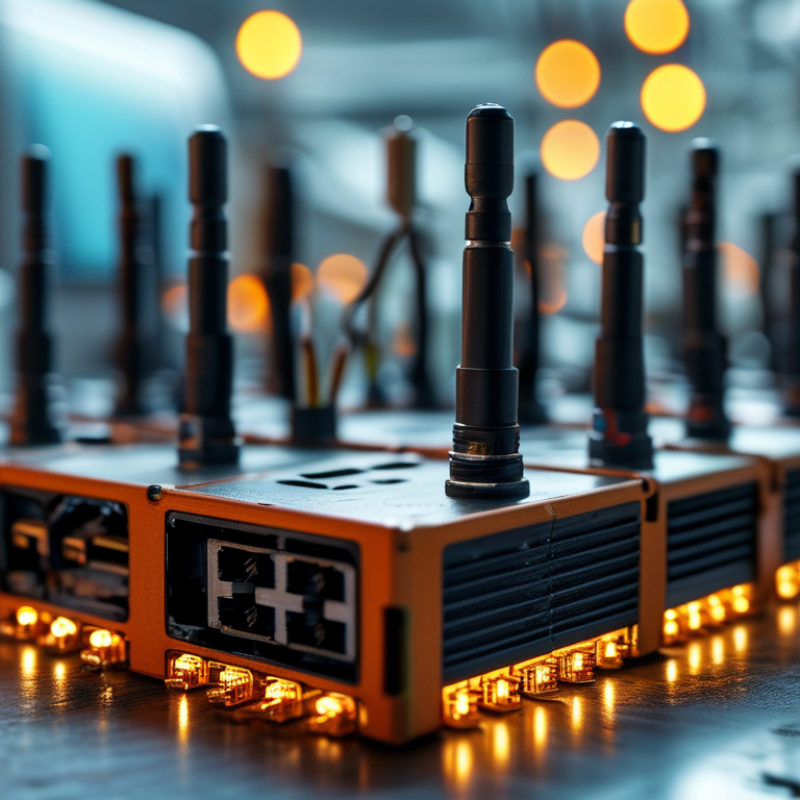
Ensuring safe power transmission in adapters is crucial for user safety and device longevity. Adapters must comply with industry standards. Research shows that about 30% of electrical fires are due to faulty adapters. This statistic highlights the importance of using certified products. The International Electrotechnical Commission (IEC) sets important guidelines for power adapters. Following these standards can reduce risks significantly.
Tip: Regularly inspect your adapters for damage, such as frayed cables or burnt connectors. A small crack might lead to serious hazards.
Quality materials play a key role in safety. Adapters made with subpar components are more likely to fail. According to a study by the National Fire Protection Association, devices that meet UL standards have a 70% lower failure rate. Investing in high-quality adapters pays off in the long run.
Tip: Avoid overloading your adapters. Each unit has a specified wattage capacity. Exceeding this capacity can lead to overheating.
Adhering to industry standards and regularly checking your devices can help prevent accidents. Awareness of potential dangers is vital. High-quality, certified adapters are worth the investment.
Ensuring safe power transmission in electrical adapters relies on several key factors. These factors include proper design, quality materials, and adherence to safety standards. According to a 2021 report by the International Electrotechnical Commission (IEC), improper adapter design accounts for nearly 30% of electrical failures. This highlights the importance of design integrity in preventing malfunctions.
Another critical element is using high-quality materials. Low-grade components can lead to overheating and even short circuits. A study by the Consumer Product Safety Commission noted that faulty adapters contribute to about 20% of fire hazards in homes. Investing in reliable materials not only enhances safety but also improves the device’s lifetime.
**Tip:** Regularly inspect adapters for signs of wear. Replace any that show damage.
Manufacturers must comply with industry standards, like those defined by UL and IEC. Failure to adhere to these standards compromises user safety. An alarming statistic from the National Fire Protection Association (NFPA) suggests that generic adapters are responsible for increasing risks. Users should always opt for certified products.
**Tip:** Look for markings of compliance on adapters.
Taking preventive measures ensures safer power transmission. The collaborative effort of manufacturers and consumers is essential in minimizing risks associated with adapters. Such diligence can ultimately save lives and property.
Ensuring safe power transmission in adapters is vital for user safety and device performance. According to the International Electrotechnical Commission (IEC), improper adapter testing accounts for over 30% of electrical failures. Rigorous safety protocols can minimize these risks significantly.
Critical testing protocols include high-voltage testing and insulation resistance measurement. These tests assess an adapter’s ability to handle electrical surges. For example, a study from the Institute of Electrical and Electronics Engineers (IEEE) indicates that adapters passing high-voltage tests show a 40% decrease in failure rates during prolonged use. Safety is not just about compliant designs; it involves consistent testing and quality assurance.
Tips: Always conduct routine inspections on adapters. Look for wear and signs of overheating. Consider adding thermal imaging tests to your quality checks.
Continuous vigilance in testing can prevent malfunctions and ensure user safety. The promise of new technologies should not undermine the importance of traditional safety checks. Presence of faulty adapters in the market remains a challenge requiring ongoing monitoring. Manufacturers need to stay updated with testing standards to prevent potential hazards.
Recent innovations in adapter design focus on enhancing power transmission safety. These developments prioritize user safety and device reliability. New materials are being explored to improve insulation and heat resistance in adapters. This can significantly reduce the risk of electrical shorts and overheating.
Another noteworthy advancement is the integration of smart technology within adapters. This technology can detect irregularities in power flow and shut down the device automatically. Such features are crucial in preventing dangerous situations. Additionally, some designs include visual indicators to show power status. This can alert users to potential hazards before they become serious.
Despite these improvements, challenges remain. Not all designs universally fit every device. Compatibility issues can lead to improper usage, posing safety risks. Users must stay informed about which adapters are suitable for their devices. Manufacturers also need to address the standardization of adapter sizes and safety features to enhance overall user safety. Adapting to these needs is key for future innovations.
| Innovation | Description | Impact on Safety | Adoption Rate (%) |
|---|---|---|---|
| Smart Overcurrent Protection | Adaptive control that prevents current overloads in real-time. | Minimizes risks of fires and equipment damage. | 75 |
| Insulation Enhancements | Use of advanced materials for better thermal and electrical insulation. | Reduces risk of short circuits and electrical shocks. | 80 |
| Automatic Shutdown Features | Devices that disconnect power upon detecting hazardous conditions. | Prevents damage and enhances user safety significantly. | 65 |
| Surge Protection Technology | Integrating surge suppressors within adapter design. | Protects devices from voltage spikes that can cause damage. | 70 |
| User-Friendly Design | Intuitive designs that prevent improper connections. | Reduces human error in the connection process. | 85 |
The reliability of power adapters is crucial for electronic devices. Recent studies indicate that up to 20% of power adapter failures stem from overheating, poor design, or inadequate materials. A report from the International Electrical and Electronics Engineers (IEEE) highlights that nearly 15% of failures occur due to electrical shorts. This situation poses significant safety risks, leading to malfunctions and potential fire hazards.
Mitigation strategies are essential to ensure safe power transmission. Regular testing of adapters in stress conditions can reveal weaknesses. Implementing improved thermal management techniques can reduce overheating incidents by up to 18%. Choosing materials with better heat resistance can further enhance adapter lifespan. However, even the best designs face challenges. Consumer education on recognizing signs of wear and tear remains limited. Frequent inspections may reduce risk, but not everyone conducts them.
Data from safety assessments show that poorly made adapters can lead to a higher likelihood of user injuries. Moreover, 30% of users reportedly do not follow guidelines on power adapter usage. This oversight contributes to a cycle of preventable accidents. Leveraging statistical insights can direct future innovations and safety regulations, ensuring both consumer protection and device longevity in the ever-evolving electronics landscape.
: Key factors include proper design, high-quality materials, and adherence to safety standards.
Design integrity prevents malfunctions. Improper designs cause nearly 30% of electrical failures.
Low-grade components can overheat and lead to short circuits. They also contribute to fire hazards.
Regularly inspect adapters for wear and replace those that show damage.
Compliance minimizes risks. Non-compliance can lead to unsafe products and increased hazards.
Recent innovations include new materials for insulation and smart technology that detects power irregularities.
Smart technology can shut down devices automatically during irregular power flow, preventing dangerous situations.
Compatibility issues can lead to improper usage. Users must know which adapters suit their devices.
Visual indicators alert users to potential hazards, improving safety awareness.
Future innovations must focus on standardizing sizes and safety features for better compatibility and safety.
Ensuring safe power transmission in adapter applications is critical for both consumer safety and device reliability. This article discusses the top industry standards that govern safe power transmission, highlighting key factors that influence performance. Additionally, it examines essential testing protocols that help in verifying adapter safety, emphasizing the importance of rigorous evaluations.
Recent innovations in adapter design play a significant role in enhancing safety features, addressing common failure points identified through statistical analysis. By focusing on mitigation strategies, the article presents a comprehensive overview of how to ensure safe power transmission in adapter applications, underscoring the necessity of these advancements in maintaining electrical safety and performance in a rapidly evolving technological landscape.

JDI Power Supply