Electromagnetic interference (EMI) is a persistent challenge in our increasingly electrified world. Power devices are often significant sources of EMI. This interference can disrupt the operation of sensitive equipment. Therefore, it is crucial to find ways to reduce electromagnetic interference from power devices.
Many industries face the challenge of EMI. The effects can be severe, affecting everything from consumer electronics to industrial machinery. Engineers and technicians must tackle this problem. They need reliable strategies to minimize EMI while maintaining device functionality. For instance, using shielding materials and proper grounding techniques can help reduce interference.
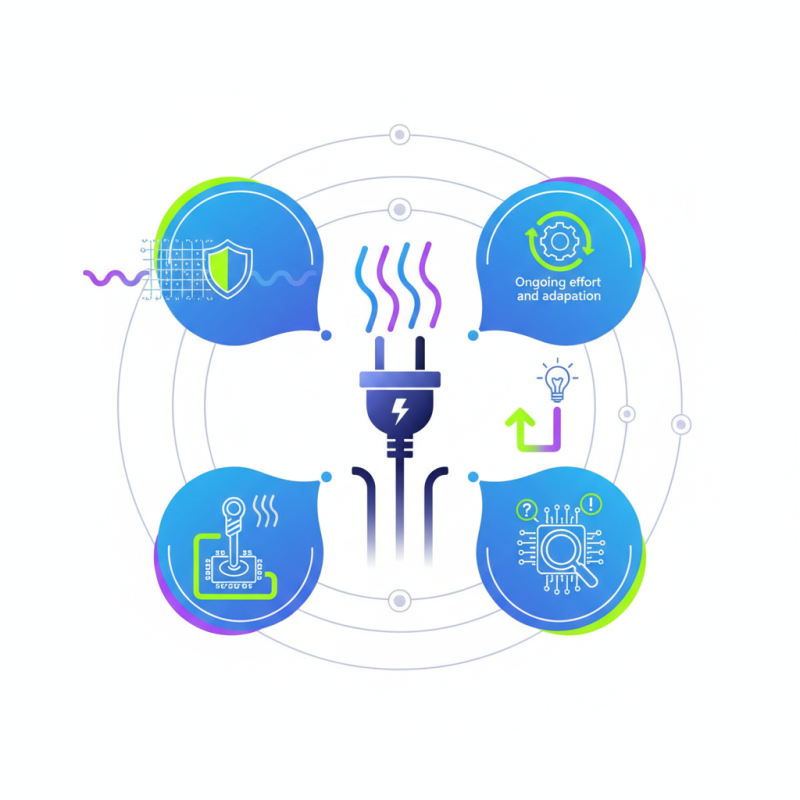
However, achieving optimal results requires ongoing effort and reflection. Understanding the sources of interference is not always straightforward. Strategies may need adjustments as technology evolves. Staying informed and adapting methods will be essential in the fight against EMI from power devices. Overall, the journey to reduce electromagnetic interference is complex but vital for innovation and safety in electronic design.
Understanding Electromagnetic Interference (EMI) in Power Devices
Electromagnetic interference (EMI) significantly affects the performance of power devices. Studies show that up to 30% of electrical failures in industrial settings are linked to EMI. This interference usually arises from variations in electrical currents that generate unwanted electromagnetic fields. Devices such as
motors, transformers, and power converters are particularly susceptible to these disruptions.
Understanding the characteristics of EMI is essential for any electrical engineer. It can inhibit communication between devices, causing erratic behavior. For instance, fluctuations in voltage can create spikes that easily distort data transmission. Furthermore, the rise in wireless technology amplifies these issues, with many devices inadvertently emitting interference. Reports indicate that almost
30% of devices emit EMI levels that exceed acceptable standards.
Mitigation strategies are crucial. Shielding, grounding, and filtering can help. Yet, these methods require careful implementation. Each device may respond differently to interference, making a one-size-fits-all solution ineffective. Keeping tabs on emerging studies and guidelines from industry experts can lead to improvements. There is always room for refinement in designs and best practices, highlighting the ongoing challenge of managing EMI effectively.
Common Sources of Electromagnetic Interference in Electrical Systems
Electromagnetic interference (EMI) often arises from various power devices in electrical systems. Common sources of EMI include electric motors, transformers, and switching power supplies. These devices generate electromagnetic fields during operation. Motors, for example, can produce noise due to their switching behavior. This noise can disrupt nearby electronic equipment and affect overall system performance.
Switching power supplies are particularly notorious for generating EMI. They convert electrical power by rapidly switching on and off, creating high-frequency signals. These signals can radiate and interfere with sensitive devices if not properly managed. Additionally, fluorescent lights and RF transmitters can also be significant sources of interference. Their emissions may lead to unexpected system malfunctions or data loss.
It’s crucial to recognize that some EMI issues might be subtle. Symptoms may not always be obvious. Frequent system resets or intermittent communication failures can indicate underlying problems. Checking connections and shielding can help identify the real source of interference. Regular maintenance and monitoring can enhance system robustness against EMI.
Common Sources of Electromagnetic Interference in Electrical Systems
This chart displays the common sources of electromagnetic interference (EMI) found in electrical systems, highlighting their relative impact. Understanding these sources can help in developing strategies to mitigate EMI effectively.
Effective Shielding Techniques to Minimize EMI Impact
Electromagnetic interference (EMI) can disrupt sensitive devices. Effective shielding techniques are essential to minimize its impact. Metal enclosures serve as a solid first line of defense. These enclosures block electromagnetic fields. Choose materials like copper or aluminum for better results. They provide reliable barriers against high-frequency noise.
Another method involves applying conductive coatings. These coatings can be sprayed or painted onto surfaces. They enhance surface conductivity, reducing EMI risks. Some applications may benefit from flexible shielding materials. They can adapt to various shapes, providing a snug fit for numerous devices.
Grounding is key to any effective shielding strategy. Ensure proper connections to dissipate unwanted signals. Poor grounding can lead to more interference. Reflection and absorption play significant roles too. Evaluate your environment and identify where interference originates. Regular reflection assessments can inform future design choices. Balancing shielding with device performance remains an ongoing challenge. Continuous improvement and adaptation are necessary.
Using Filtering Strategies to Reduce Electromagnetic Noise
Electromagnetic interference (EMI) is a common issue in power devices. It can disrupt performance and degrade signal integrity. Implementing effective filtering strategies can significantly reduce electromagnetic noise. This approach enhances system reliability and ensures optimal operation.
Consider using passive filters, such as capacitors and inductors, in your designs. These components can help attenuate unwanted frequencies effectively. For instance, a low-pass filter can allow only desired frequencies to pass while blocking higher ones. However, selecting the right cutoff frequency requires careful analysis.
Tips for effective filtering:
- Assess the frequency range of the noise.
- Choose components based on their ratings.
- Keep the layout clean and organized.
Active filters can also be beneficial. They use operational amplifiers to enhance performance. However, they may introduce their own noise. Therefore, it’s essential to evaluate their impact on your design. Reflect on the balance between complexity and effectiveness when choosing a strategy. Ensure all components work harmoniously to reduce EMI effectively.
How to Reduce Electromagnetic Interference from Power Devices? - Using Filtering Strategies to Reduce Electromagnetic Noise
| Filtering Strategy |
Effectiveness (%) |
Cost ($) |
Installation Difficulty |
| Passive Filtering |
80 |
150 |
Easy |
| Active Filtering |
90 |
300 |
Moderate |
| Ferrite Beads |
75 |
20 |
Very Easy |
| Shielding |
85 |
500 |
Hard |
| Circuit Design Optimization |
70 |
Variable |
Moderate |
Best Practices for Grounding and Wiring to Prevent EMI
Grounding is essential in reducing electromagnetic interference (EMI) from power devices. Proper grounding provides a path for any unwanted electrical noise to safely dissipate. Make sure to connect all equipment to a common ground point. This minimizes voltage differences that can create noise. Regular checks of grounding connections can prevent potential issues over time. Improper or loose grounds can introduce more interference.
Wiring practices also play a vital role. Use twisted pair wires for signal lines. This technique helps cancel out ambient noise. Keep power and signal cables separate. Running them parallel can induce unwanted interference. When installing devices, keep the layout compact. Shorter wires reduce the loop area, which decreases EMI. Shielded cables can also be helpful. However, they must be grounded correctly to be effective.
It's important to consider the environment as well. Nearby electrical equipment can further complicate EMI issues. Evaluate the placement of devices carefully. Moving a device just a few inches can drastically impact performance. Regular audits of your setup can reveal hidden sources of interference. Addressing these concerns proactively is key to maintaining a clean electrical environment.
Conclusion
To effectively reduce electromagnetic interference from power devices, it is essential to first understand the fundamental nature of electromagnetic interference (EMI) and identify common sources within electrical systems. These sources can range from poorly designed circuits to external environmental factors that introduce unwanted noise. By employing effective shielding techniques, we can create barriers that minimize the impact of EMI on sensitive components.
Additionally, utilizing filtering strategies can help eliminate high-frequency noise, enhancing the overall performance of power devices. Best practices for grounding and wiring, such as ensuring proper connections and routing, further support efforts to mitigate EMI. Implementing these methods collectively enables engineers and technicians to significantly reduce electromagnetic interference from power devices, leading to more reliable and efficient electrical systems.

 JDI Power Supply