Maintenance costs of power supply systems can significantly impact a company's bottom line. Many businesses struggle to balance reliable electricity supply with budget constraints. It is essential to find effective strategies to reduce maintenance costs of power supply systems while ensuring efficiency and reliability.
An investment in preventive measures pays off. Regular checks and upgrades can prevent costly breakdowns. Implementing modern monitoring technologies allows for early detection of issues. This proactive approach often leads to lower operational expenses over time. However, many firms hesitate to adopt these changes due to initial costs.
Creating a culture of continuous improvement is crucial. Employees should be encouraged to identify inefficiencies in the current system. This open dialogue can lead to innovative solutions and better resource allocation. Nonetheless, companies must be prepared to reassess their methods. Embracing flexibility in maintenance practices can ultimately yield higher returns on investment.
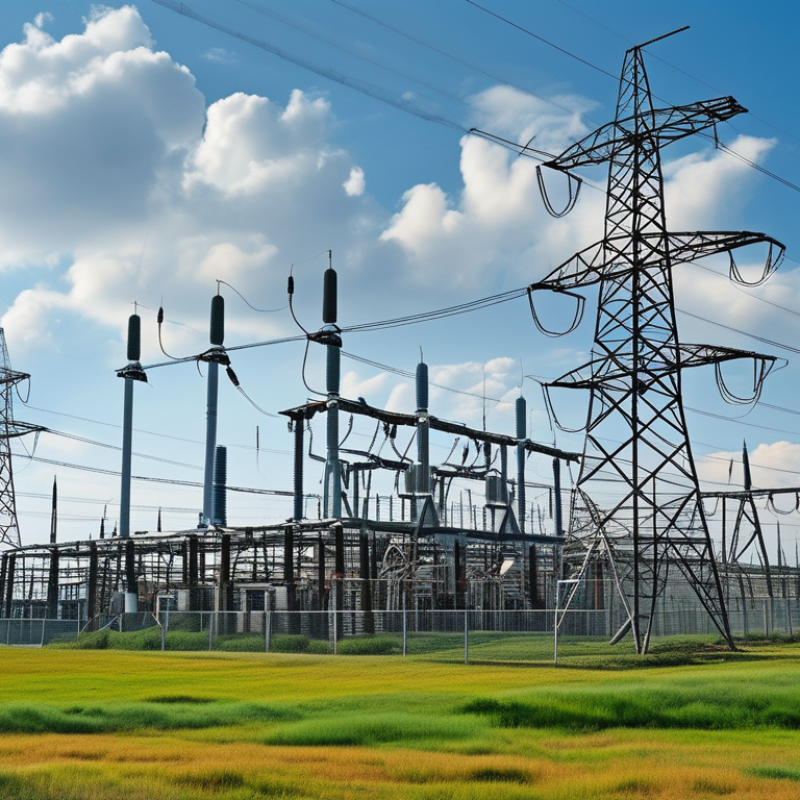
Regular maintenance of power supply systems is critical to keep operations running smoothly. Scheduled inspections can spot potential issues early. Technicians should thoroughly check electrical connections, ensuring they are tight and free from corrosion. This practice may help prevent unexpected failures.
Utilizing advanced monitoring tools can enhance maintenance efforts. These tools provide real-time data on performance metrics. While beneficial, they require proper training for staff to interpret the information effectively. Failure to train personnel can lead to misdiagnosis of issues.
Documentation is another crucial aspect. Keeping accurate records of maintenance activities aids in identifying recurring problems. It provides valuable insights for future planning. Relying solely on past experiences may not always yield the best outcomes. Continuous improvement is necessary for effective maintenance management.
Predictive maintenance techniques provide a proactive approach to managing power supply systems. By analyzing data trends, operators can anticipate equipment failures before they occur. This strategy reduces unplanned downtime and minimizes repair costs. According to a study by the Institute of Electrical and Electronics Engineers, predictive maintenance can reduce maintenance costs by up to 30%. This statistic is compelling for businesses aiming to optimize their resources.
Implementing these techniques involves using sensors and analytics tools to monitor system performance continuously. Real-time data allows maintenance personnel to act promptly on any anomalies. For instance, vibration analysis can reveal issues in rotating equipment. Additionally, thermal imaging can detect overheating components. These methods not only save on repair costs but also extend the lifespan of power supply systems.
However, the transition to predictive maintenance is not without challenges. Initial setup costs for advanced diagnostic tools can be high. Moreover, staff may need training to interpret data effectively. Businesses must weigh these initial investments against long-term savings. Data from the American Society for Quality indicates that a well-implemented predictive maintenance program can transform traditional maintenance approaches into more efficient, cost-effective operations. The key lies in balancing immediate expenses with future benefits.
Energy-efficient equipment plays a crucial role in reducing maintenance costs for power supply systems. Using these devices can significantly lower energy consumption. For instance, modern transformers with higher efficiency ratings can offer better performance with less energy loss. This directly impacts the bottom line by decreasing electricity bills.
Incorporating energy-efficient generators can also minimize maintenance needs. They often operate at lower temperatures, reducing wear and tear on mechanical parts. Regularly updating these systems is essential. Older machinery may require frequent repairs, leading to higher costs. The initial investment in efficient technology may seem daunting, but the long-term savings justify it.
Implementing energy-saving practices must be an ongoing effort. Staff training on efficient operation is necessary. Neglecting this aspect can lead to reduced gains. Monitoring energy usage helps identify inefficiencies. Regular audits can reveal areas that need improvement, ensuring that systems operate at their best. Continuous evaluation fosters a culture of efficiency.
This bar chart illustrates the estimated cost savings achieved through various methods of reducing maintenance costs for power supply systems. Utilizing energy-efficient equipment plays a crucial role in lowering these costs over time.
Effective management of power supply maintenance relies heavily on well-trained staff. Investing in training programs empowers employees with essential skills. They learn to identify potential problems before they escalate. This proactive approach can significantly reduce maintenance costs over time. Regular workshops and hands-on training sessions enhance their expertise effectively.
Moreover, employees become more confident in troubleshooting issues. They can respond quickly to outages or failures. A knowledgeable team can minimize downtime and associated costs. Training should include both theoretical aspects and practical scenarios. Engaging with real-life situations fosters better learning outcomes. However, not all training methods yield immediate results. Some may require adjustments based on employee feedback.
Continuous evaluation is crucial. Assessing the effectiveness of training helps refine programs. Maintaining open communication encourages staff to share insights. Constructive feedback can lead to improved strategies. The goal is to create a culture of learning and adaptation. This ensures that the team stays updated with the latest technologies and practices. Ultimately, investing in training is an investment in future savings.
In today's fast-paced energy sector, integrating technology and automation is essential for reducing power supply system maintenance costs. A recent report from the International Energy Agency shows that automation can cut maintenance costs by nearly 30%. This can largely be attributed to predictive maintenance technologies that monitor equipment in real-time, minimizing downtime and extending asset lifespans.
Utilizing sensors and data analytics can pinpoint issues before they escalate. This proactive approach leads to significant savings and improves overall reliability. Regular analysis of performance data can reveal patterns that indicate when maintenance is necessary. The result is a more efficient system that saves resources.
Tip: Implement a cloud-based management system to centralize data and increase transparency. This enables swift decision-making based on accurate information, ensuring that maintenance actions are timely and cost-effective.
Moreover, training staff to adapt to new technologies can also be a challenge. Ensuring that employees are comfortable with automation is crucial for success. Their expertise brings valuable insights to the system. Balancing technology with skilled human operation can drive better results while fostering a culture of continuous improvement.
: Predictive maintenance uses data analysis to anticipate equipment failures. This helps manage power supply systems more effectively.
It can cut maintenance costs by up to 30%. This reduces unplanned downtime and costly repairs.
Sensors and analytics tools are essential. They monitor system performance in real-time to catch anomalies early.
Vibration analysis detects issues in rotating equipment. Thermal imaging helps find overheating components.
Initial setup costs can be high. Training staff is also necessary to effectively interpret data.
It significantly lowers energy consumption, reducing maintenance costs and electricity bills for power supply systems.
They operate at lower temperatures, causing less wear and tear. This minimizes mechanical failures and repairs.
The initial investment may be high, but long-term savings can justify the costs.
Proper training ensures efficient operation. Neglect can lead to lost gains and reduced system performance.
They help identify inefficiencies in energy usage. Continuous evaluation promotes a culture of efficiency within the organization.
To reduce maintenance costs of power supply systems, it is essential to adopt best practices in regular maintenance. Implementing a thorough schedule for inspections and servicing can prevent costly failures and extend equipment longevity. Additionally, employing predictive maintenance techniques allows for timely interventions based on system performance data, significantly cutting unforeseen expenses.
Utilizing energy-efficient equipment not only lowers operational costs but also improves reliability. Training staff effectively ensures that maintenance is carried out proficiently, promoting a culture of responsibility and expertise. Finally, leveraging technology and automation streamlines maintenance processes, allowing for better resource management and reducing labor costs. By integrating these strategies, organizations can effectively reduce maintenance costs of power supply systems while enhancing overall efficiency.

JDI Power Supply