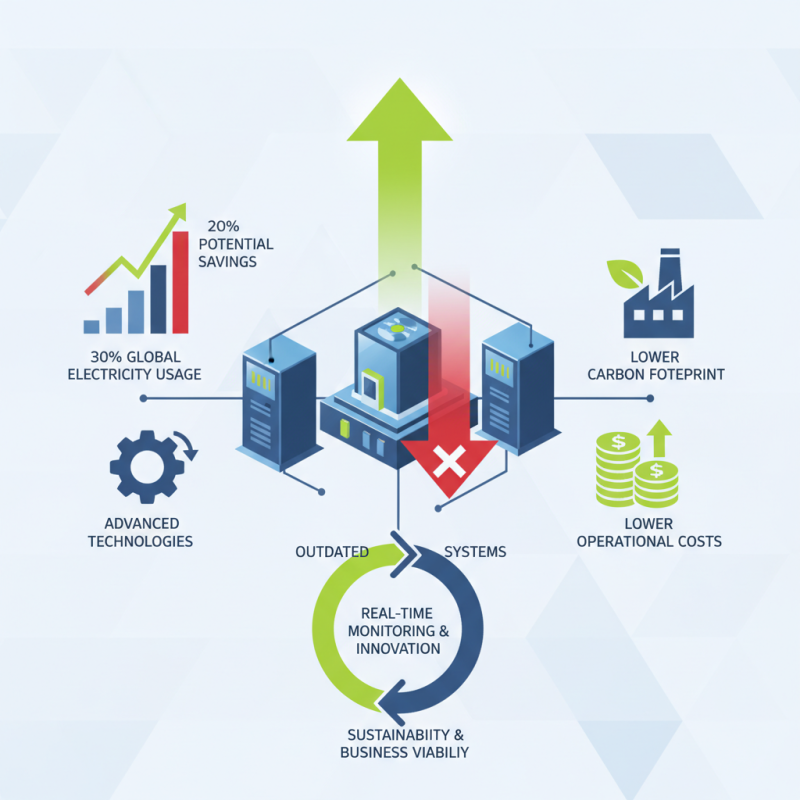
The demand for energy efficiency in power conversion equipment has never been more pressing. According to the International Energy Agency (IEA), power conversion accounts for approximately 30% of global electricity usage. This statistic highlights the massive potential for improvement. Organizations are increasingly focusing on strategies to reduce energy consumption of power conversion equipment. Implementing advanced technologies can significantly lower operational costs and carbon footprints.
Reports indicate that optimizing power converters could lead to energy savings of up to 20% in some industrial applications. However, many facilities still use outdated systems that contribute to inefficiencies. This gap represents a substantial area for reflection and enhancement. Continuous innovation and real-time monitoring are essential to ensure these systems operate at peak efficiency.
Moreover, users must recognize that not all energy-saving measures are cost-effective initially. The upfront investment can deter many companies. Yet, the long-term benefits often outweigh these initial hurdles. As the global push for sustainability intensifies, the urgency to reduce energy consumption of power conversion equipment will only grow. Embracing change is crucial for both the environment and business viability.
Energy consumption in power conversion equipment is a significant concern for industries. Understanding the mechanics behind energy use helps in identifying areas for improvement. Power conversion equipment includes devices such as inverters, converters, and transformers. Each component contributes to overall consumption levels. They often operate with inherent inefficiencies, leading to excessive energy loss.
Efficiency can be influenced by various factors. Temperature, load conditions, and frequency variations all play a role. For instance, devices running in extreme temperatures may experience decreased performance. Load mismatches can also lead to wasted energy. It’s essential to monitor these factors regularly. Doing so helps in adjusting operations and improving efficiency.
Addressing energy consumption requires a multifaceted approach. Implementing advanced control strategies can enhance system responsiveness. Regular maintenance ensures components are functioning properly. However, many facilities overlook routine checks, missing opportunities for savings. By acknowledging these challenges, organizations can refine their practices and make meaningful progress.
Energy loss in power conversion equipment is a significant issue in many industries. A recent report by the International Energy Agency highlights that nearly 20% of electricity is consumed in conversion processes. Each step from generation to end use has its inefficiencies. Major factors affecting energy loss include electromagnetic interference, thermal dissipation, and component wear.
Electromagnetic interference can lead to substantial energy loss. Poor design can increase the energy consumed in controlling devices. Improper grounding and shielding often exacerbate these issues. Thermal losses present another challenge. The U.S. Department of Energy states that up to 30% of energy can be wasted as heat in converters. This loss not only impacts efficiency but also can shorten equipment lifespan. Regular maintenance and thermal management strategies should be prioritized.
The age of equipment also plays a crucial role. Outdated converters can have energy losses up to 15% higher than modern alternatives. Investing in more efficient technologies is often cost-effective. However, not every organization may have the resources to upgrade. Understanding these factors is vital for developing better energy management strategies. Continuous monitoring and analysis of energy use will help identify areas for improvement, even in older systems.
Improving efficiency in power converters is crucial for reducing energy consumption. One effective technique is optimizing switching frequency. A 2019 report from the International Energy Agency (IEA) states that reducing switching losses can improve overall efficiency by up to 15%. This is particularly important in applications like renewable energy systems, where every bit of energy counts.
Implementing advanced control strategies, such as Model Predictive Control (MPC), can significantly enhance performance. Research shows that MPC can reduce energy losses by approximately 20% compared to traditional methods. Additionally, employing high-efficiency semiconductors, like silicon carbide (SiC), allows for faster switching and reduced thermal losses. However, these components can be more expensive, raising questions about cost versus benefit.
Another aspect often overlooked is thermal management. Inefficient heat dissipation can lead to performance degradation. A 2021 analysis highlighted that proper cooling techniques could improve the lifespan of converters by 30%. Despite these advantages, many systems still operate without optimal thermal solutions, presenting an area for improvement. It’s evident that while advancements exist, the industry still grapples with integrating these efficiencies on a broader scale.
Emerging technologies play a crucial role in reducing energy consumption in power conversion equipment. Innovations like silicon carbide (SiC) and gallium nitride (GaN) semiconductors offer higher efficiency compared to traditional silicon technology. These materials enable devices to operate at higher temperatures and voltages, resulting in lower energy loss. This can lead to significant energy savings in various applications, including electric vehicles and renewable energy systems.
Tips for improving energy efficiency include regularly maintaining equipment. Clean components can reduce unnecessary energy usage. Monitoring your system's performance helps identify inefficiencies. Consider inverting power sources for optimal energy flow and savings. Investing in smart controls can also optimize operation and ensure that power is used only when necessary.
Furthermore, software solutions are emerging to enhance energy savings. Advanced algorithms can predict and manage energy needs more effectively. Real-time data analysis can lead to better decision-making and immediate corrective actions. Reflect on your current energy usage and consider how these technologies can offer improvements. Transitioning to innovative solutions is not always straightforward, but the benefits often outweigh the challenges.
Maintaining power conversion equipment is crucial for energy efficiency. Regular inspections can unveil hidden issues that might lead to increased energy consumption. A simple check of the wiring and connectors can reveal loose connections. These small details, often overlooked, can significantly impact performance.
Proper cleaning of devices is another essential aspect. Dust and grime can build up, causing overheating and inefficiencies. A routine cleaning schedule helps in minimizing this risk. It's essential to use appropriate methods to avoid damaging sensitive components. However, personnel should be trained adequately. Inexperienced maintenance can lead to more problems in the long run.
Monitoring temperature and load is vital too. Overloading devices can result in early failure. Keeping an eye on operational limits ensures longevity. Investing time to understand the devices can aid in recognizing unusual patterns. This knowledge empowers operators to make timely adjustments. It's a reminder that effective maintenance is a continuous learning process, not just a checklist.
| Best Practice | Description | Impact on Energy Consumption | Frequency of Implementation |
|---|---|---|---|
| Regular Maintenance | Routine checks can identify inefficiencies and electrical faults. | Up to 15% reduction | Quarterly |
| Use of High-Efficiency Components | Replacing older components with modern, energy-efficient ones. | Up to 20% reduction | As needed |
| Optimizing Load Conditions | Adjusting operations to ensure devices work within optimal load ranges. | 10-30% reduction, depending on load | Continuous |
| Thermal Management | Maintaining optimal operating temperatures to prevent overheating. | 5-15% reduction | Monthly checks |
| Training Personnel | Educating staff on efficient operation techniques and practices. | Up to 10% reduction | Annually |
: Energy loss occurs due to electromagnetic interference, thermal dissipation, and wear on components.
Up to 30% of energy can be lost as heat, impacting efficiency significantly.
Older converters can have energy losses up to 15% higher than newer models, affecting overall efficiency.
Reducing switching losses can boost efficiency by up to 15%, crucial for renewable energy applications.
Proper cooling techniques can extend converter lifespan by 30%, yet many systems lack optimal solutions.
Technologies like silicon carbide and gallium nitride enable higher efficiency and lower energy loss in devices.
Regularly maintained equipment performs better, reducing unnecessary energy usage.
Techniques like Model Predictive Control can significantly reduce energy losses, improving overall performance.
It allows for better decision-making and immediate corrective actions, leading to enhanced energy management.
Transitioning can be challenging, but reflecting on current usage helps identify potential improvements.
Reducing energy consumption of power conversion equipment is crucial for enhancing overall efficiency and sustainability in various applications. This involves a thorough understanding of energy consumption patterns and identifying key factors that contribute to energy loss, such as heat dissipation and inefficiencies in circuit design.
Implementing techniques such as optimizing switching frequencies, improving component selection, and utilizing advanced control algorithms can significantly enhance the efficiency of power converters. Additionally, keeping abreast of emerging technologies, such as wide bandgap semiconductors, can provide innovative solutions for energy savings. Following best practices for the maintenance and operation of power devices ensures their optimal performance and longevity, further contributing to reduced energy consumption in power conversion systems.

JDI Power Supply