In today's fast-paced world, the demand for portable power conversion equipment is ever-increasing. Users seek devices that not only deliver high performance but also maintain a compact, lightweight design. Manufacturers face the challenge to optimize size and weight of portable power conversion equipment while ensuring efficiency and reliability. This pursuit balances advanced technology and practical use.
To achieve this optimization, various methods can be employed. Innovations in materials, like using lighter composites, can significantly reduce weight. Additionally, efficient circuit design helps in minimizing space. However, there is a fine line between size reduction and maintaining power output. Overly compact designs may compromise overheating and longevity, posing real-world challenges. Regular feedback from users highlights the need for continual adjustment and improvement.
The quest to optimize size and weight of portable power conversion equipment invites ongoing reflection. Manufacturers must trust user experiences and adapt designs based on real-life scenarios. As we delve deeper into these advancements, it’s crucial to understand the trade-offs involved. Balancing portability with performance remains a pivotal issue in the realm of portable power solutions.
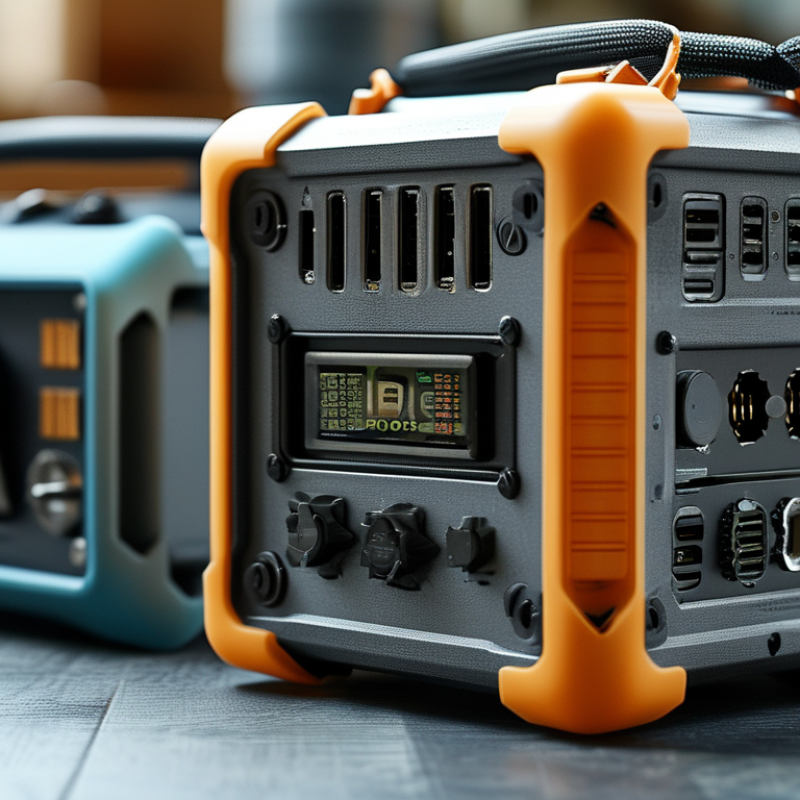
When considering portable power conversion equipment, several key factors influence its size and weight. The design of the circuitry plays a crucial role. Compact and efficient circuits can significantly reduce the overall footprint. Designers are increasingly using integrated components to save space. Each part needs to be carefully selected. Even a small inefficiency can lead to larger designs.
Battery technology is another critical aspect. Lightweight materials combined with advanced chemistry are essential. Lithium-ion batteries offer high energy density but can add weight if not optimized properly. The balance between power capacity and weight is often tricky. Various configurations can provide different weight profiles, making it necessary to choose wisely.
Cooling solutions also matter. Portable devices may need fans or other cooling mechanisms, impacting size. Engineers must find ways to minimize thermal management systems. Often, these choices involve trade-offs between efficiency and appearance. Striking a balance can lead to a more functional, portable design. Every decision in the design process demands careful consideration.
The demand for portable power conversion equipment continues to rise, driven by advancements in technology and increasing energy needs. Lightweight and compact solutions are essential for efficiency and mobility. Innovative materials play a crucial role in achieving these goals. According to a recent industry report, lighter materials can reduce the weight of power converters by up to 30%, which is significant for portable applications.
Materials like carbon composites and advanced ceramics are becoming popular in creating more efficient converters. These materials not only decrease the overall weight but also enhance thermal management. Proper thermal management contributes to device longevity and performance. Additionally, as the industry pushes for smaller designs, the integration of these materials offers a way to maintain high efficiency without compromising size.
However, transitioning to these innovative materials poses challenges. The manufacturing processes for some advanced composites can be cost-prohibitive. Companies must weigh the benefits of innovation against financial constraints. Furthermore, quality control across new materials remains a concern. Ensuring reliability while embracing change is a challenge the industry faces. As portable power continues to evolve, the exploration of materials will demand continued reflection on balancing performance, cost, and sustainability.
Designing portable power conversion equipment demands a keen focus on power density and efficiency. Recent studies indicate that optimizing these elements can lead to significant performance improvements. For instance, a report from the International Energy Agency highlights that enhancing power density by just 20% can reduce the physical size of converters and make them lighter. This is vital for portable applications.
Incorporating advanced materials can play a crucial role in these optimizations. Technologies like silicon carbide (SiC) and gallium nitride (GaN) are often preferred. These materials can handle higher voltages and temperatures, improving efficiency rates beyond 95%. Additionally, adopting switching frequency strategies can help minimize energy losses, but balancing this with thermal management is challenging. Efficient cooling methods must be developed to prevent overheating.
Despite the potential benefits, the path to achieving ideal power conversion efficiency is not without obstacles. Many designs favor high efficiency at the expense of increasing system complexity. This complexity can lead to reliability issues. Developing streamlined solutions that maintain high performance while simplifying design will be crucial in this field. Data suggests that a holistic approach to design can yield long-term benefits, even if initial iterations are less than perfect.
| Model | Weight (kg) | Size (cm) | Power Output (W) | Efficiency (%) | Battery Type |
|---|---|---|---|---|---|
| Model A | 1.5 | 20 x 15 x 5 | 200 | 90 | Lithium-ion |
| Model B | 2.1 | 22 x 18 x 6 | 300 | 92 | Lithium-polymer |
| Model C | 1.8 | 25 x 20 x 7 | 250 | 88 | Nickel-metal hydride |
| Model D | 1.2 | 18 x 14 x 5 | 150 | 85 | Lead-acid |
| Model E | 2.5 | 30 x 22 x 8 | 400 | 95 | Lithium-ion |
Thermal management plays a crucial role in optimizing the size and weight of portable power conversion equipment. When power electronics operate, they generate heat. This heat must be dissipated effectively to ensure optimal performance. Poor thermal management can lead to larger, bulkier designs that compromise portability. Engineers must consider thermal conductivity and heat dissipation methods in their designs.
Air cooling and passive thermal designs are often used. However, these methods can add size and weight. Innovative solutions like phase change materials or miniaturized cooling systems can help. These approaches allow for better thermal control without significantly increasing the overall footprint. Yet, they require careful integration into existing designs.
Rethinking traditional cooling methods is essential for a balanced approach.
Finding the right balance between thermal management and equipment size is challenging. While high-performance components can lead to efficiency, they may also increase thermal output. This creates a constant push and pull during the design process. Designers must consider trade-offs between compactness and effective cooling. The need for frequent iteration and prototyping highlights the complexity of this optimization.
The landscape of portable power conversion equipment is shifting rapidly. Industry analysts predict a surge in demand for lightweight and compact solutions. According to a recent report by Markets and Markets, the global portable power market is expected to reach $10.1 billion by 2025. This growth is driven by a rising need for efficient energy sources in remote locations.
One future trend is the integration of advanced materials like lithium-polymer batteries. These can reduce weight and improve energy density. Emerging technologies in solar energy conversion also play a pivotal role. The recent advancements in photovoltaics have made it feasible to create power sources that are not only efficient but also incredibly lightweight.
Tips: Consider the impact of design on usability. A streamlined design can enhance user experience. Always seek equipment that balances performance and portability. Remember, innovation should not compromise reliability. Sustainable practices in production will become increasingly important. Companies will need to invest in greener technologies to meet evolving consumer preferences.
: Carbon composites and advanced ceramics are enhancing efficiency in power converters. They also help reduce weight significantly.
Innovative materials can cut the weight of power converters by up to 30%, crucial for portability and performance.
Good thermal management enhances device longevity and performance. It is essential for maintaining efficiency.
The manufacturing costs of advanced composites can be high. Quality control with new materials is also a significant concern.
There's a growing demand for lightweight and compact solutions. The market could reach $10.1 billion by 2025.
Lithium-polymer batteries reduce weight and improve energy density. They are becoming a popular choice for portable applications.
Advancements in solar energy conversion are making lightweight and efficient power sources more achievable.
A streamlined design can greatly enhance usability. It is important to focus on performance and ease of use.
Sustainable practices will become increasingly vital. Companies need to adapt to evolving consumer preferences for greener technologies.
Companies must balance innovation with financial constraints. Reliability and performance should not be sacrificed in pursuit of innovation.
The article explores various factors influencing how to optimize size and weight of portable power conversion equipment. It highlights the importance of innovative materials that not only reduce weight but also ensure compact designs for efficient power solutions. Additionally, the discussion on design strategies emphasizes the need for maximizing power density and efficiency to achieve smaller form factors.
Thermal management emerges as a critical consideration, as effective heat dissipation techniques directly impact the overall size and weight of power equipment. Looking towards the future, the article anticipates trends that will further enhance portable power conversion technologies, ensuring they become even more lightweight and efficient while meeting the growing demands for mobility and performance in various applications.

JDI Power Supply