In the rapidly evolving landscape of power conversion devices, heat dissipation remains a critical factor affecting efficiency and performance. According to a recent report by the International Energy Agency, inefficient heat management can lead to losses exceeding 20% in many applications. This significant figure emphasizes the need to optimize heat dissipation of power conversion devices.
As electronic components become smaller and more powerful, the challenges of thermal management increase. Effective heat dissipation is vital to enhance the reliability and lifespan of devices. Industry experts suggest that innovative cooling techniques can lead to substantial improvements in performance. For instance, using advanced materials and passive cooling strategies can reduce thermal resistance and improve energy efficiency.
However, the optimization process is not without challenges. Many engineers still rely on traditional methods that may fall short in today's applications. It is essential to rethink current practices and embrace new technologies. The path to optimizing heat dissipation demands a combination of creativity and rigorous testing. By addressing these complexities, the industry can achieve more effective solutions for heat management in power conversion devices.
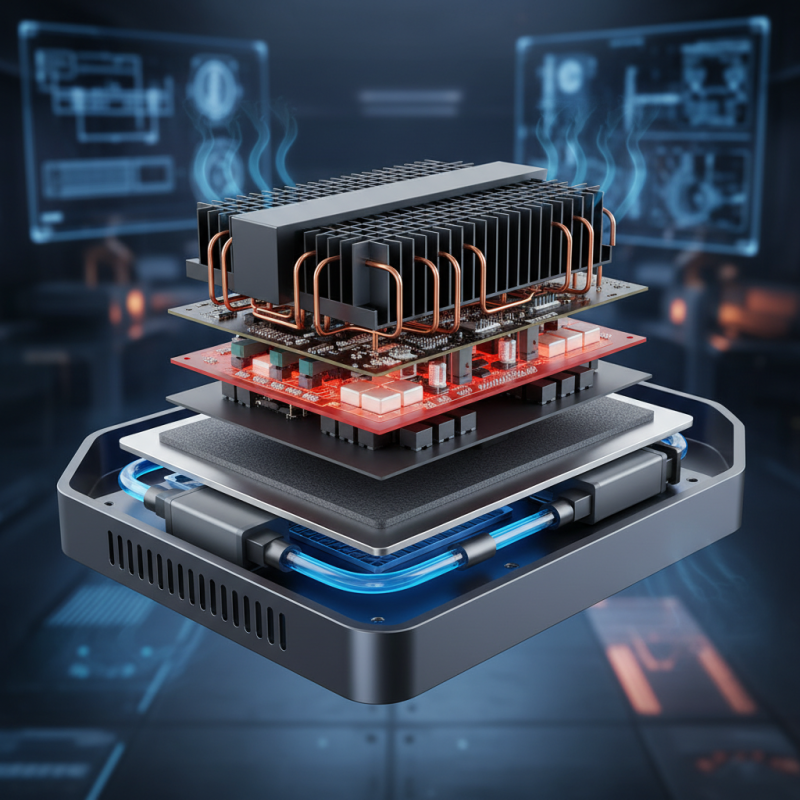
Understanding Heat Dissipation in Power Conversion Devices
Heat dissipation is crucial for the efficiency of power conversion devices. These devices often handle significant electrical loads, generating considerable heat. Understanding how to manage this heat is essential to maintain performance and extend device lifespan. High temperatures can lead to component failure and diminished efficiency. Therefore, effective heat management strategies are required.
Different materials have varying thermal conductivity, impacting heat dissipation. Metals, for instance, are typically more efficient than plastics. Choosing the right substrate can drastically influence performance. Implementing heatsinks or thermal pads can aid in dissipating heat more effectively. However, poorly designed systems can still face overheating issues. Careful consideration of airflow and placement is often overlooked.
Another aspect to ponder is the role of ambient conditions. Operating in high-temperature environments can significantly worsen thermal management. It might be essential to rethink device placement or incorporate active cooling solutions. Additionally, redundancy in cooling systems can help ensure reliability. At times, solutions may seem complex or expensive. Yet, neglecting thermal considerations can lead to dire consequences. Understanding these factors is vital for anyone involved in power conversion technology.
Material Selection for Enhanced Thermal Conductivity
Material selection plays a crucial role in enhancing thermal conductivity in power conversion devices. High thermal conductivity materials can significantly improve heat dissipation. Recent studies reveal that materials like copper and aluminum offer superior thermal conductivities of around 400 W/mK and 235 W/mK, respectively. However, the costs and weight of these metals often pose challenges in design.
Alternative materials, such as diamond and silicon carbide, also show promise. Diamond possesses an impressive thermal conductivity of about 2000 W/mK. But, its high cost limits its widespread application. Silicon carbide, on the other hand, provides a balance between performance and cost, making it a favored choice in many applications.
It's essential to analyze application requirements carefully. Some high-performing materials may not fit all device needs. Their mechanical properties and thermal stability under operating conditions can vary significantly. This variability can affect long-term performance and reliability. Therefore, a comprehensive understanding of material behavior at elevated temperatures is vital for optimizing heat dissipation.
Users should consider trade-offs between conductivity, cost, and other engineering factors.
Design Strategies for Improved Ventilation and Airflow
Effective ventilation is key to enhancing heat dissipation in power conversion devices. A well-designed airflow path allows hot air to escape while cool air enters. Placing components strategically can create a natural flow pattern. Avoiding obstacles in the air path is crucial. Even small barriers can cause hot spots.
Consider using fans and heat sinks to improve thermal management. Fans can significantly increase airflow, ensuring that heat does not build up near sensitive components. The choice of materials also matters. Light materials can facilitate faster heat transfer. However, be cautious with compatibility; not all materials work well together.
It’s important to test different configurations. Sometimes, what seems optimal may not deliver the expected results. Regular performance evaluations can reveal unexpected thermal issues. Always be ready to adjust your design. Continuous improvement is essential for effective thermal management.
Use of Heat Sinks and Thermal Interface Materials
Effective heat management is crucial for power conversion devices, particularly in high-performance applications. The use of heat sinks is a primary method for enhancing heat dissipation. A well-designed heat sink increases surface area, allowing for greater thermal energy transfer. According to industry reports, a properly optimized heat sink can reduce component temperatures by 30% or more, significantly extending device lifespan and efficiency.
Thermal interface materials (TIMs) also play a critical role. These materials fill the microscopic air gaps between the heat-generating components and the heat sink. Their thermal conductivity is vital. Research indicates that using high-performance TIMs can improve heat transfer efficiency by up to 50% compared to conventional materials. However, selecting the right TIM can be a challenge. Factors like viscosity, curing time, and temperature resistance must be considered.
Yet, not all heat sink designs are optimal. Some manufacturers may overlook airflow patterns, leading to hotspots. Similarly, improper application of TIMs can lead to inefficiencies. Regular reviews of design and material choices are necessary. This can help identify shortcomings in the heat dissipation strategy, guiding improvements for optimal performance. By focusing on these details, designers can better mitigate thermal issues in power conversion devices.
Implementing Advanced Cooling Technologies for Efficiency
In modern power conversion devices, managing heat is crucial. Advanced cooling technologies play a vital role in enhancing efficiency. Liquid cooling systems offer high thermal conductivity. These systems can rapidly dissipate heat, preventing hotspots from forming. Proper insulation and strategic placement of heat sinks can improve performance. However, positioning heat sinks requires careful analysis to avoid airflow disruption.
Air cooling remains a popular choice due to its simplicity. Using fans with variable speeds can respond dynamically to temperature changes. This adaptability can enhance energy efficiency. Nevertheless, the noise level from fans may be an issue in quiet environments. Additionally, regular maintenance is necessary to keep air cooling systems effective. Dust buildup can impede airflow and reduce cooling efficiency over time.
Emerging technologies, such as thermoelectric coolers, show promise. They use electricity to create a temperature difference. However, their efficiency and cost-effectiveness in large-scale applications still require research. These technologies can complement existing methods but may not replace them entirely. A thorough understanding of heat dissipation principles is essential for optimizing cooling strategies. Each method has its pros and cons, often influenced by the specific application and environment. Balancing effectiveness with practicality remains a common challenge for engineers.
FAQS
: Heat dissipation affects efficiency and lifespan. Excessive heat can lead to component failure.
Materials like metals conduct heat better than plastics. The right substrate choice is crucial.
Heat sinks increase surface area for heat transfer. They can lower temperatures by 30% or more.
TIMs fill gaps between components and heat sinks. They improve heat transfer efficiency significantly.
Choosing TIMs involves factors like viscosity and temperature resistance. It can be a complex process.
Liquid cooling systems rapidly dissipate heat. Air cooling can adapt to temperature changes with variable-speed fans.
Dust buildup can block airflow. Regular maintenance is necessary to maintain cooling efficiency.
Emerging technologies like thermoelectric coolers show promise but still need research for large-scale use.
Poor airflow design can create hotspots. Careful placement of heat sinks is often overlooked.
While simpler systems are appealing, they may be less effective. Balancing efficiency with practicality is challenging.
Conclusion
To optimize heat dissipation of power conversion devices, it is crucial to understand the fundamental principles of heat transfer and the role materials play in enhancing thermal conductivity. Selecting appropriate materials with high thermal conductivity can significantly improve heat transfer efficiency, while thoughtful design strategies that promote adequate ventilation and airflow help to dissipate heat effectively.
In addition, the use of heat sinks and quality thermal interface materials can bridge the thermal gap between components, facilitating better heat dissipation. Implementing advanced cooling technologies, such as liquid cooling or phase-change materials, further enhances the performance and reliability of power conversion devices. By integrating these strategies, manufacturers can ensure optimal thermal management, leading to increased efficiency and longevity of their devices.

 JDI Power Supply