How to Minimize Standby Power Consumption of Power Adapters?

Time:2026-06-19 Author:Aria
0%

Standby power consumption, often referred to as phantom load, can be a significant energy drain in households and offices. To minimize standby power consumption of power adapters, we must consider both awareness and action. Many devices continue to draw power even when turned off, which leads to wasted energy. This issue often goes unnoticed, adding unnecessary costs to electricity bills.

Understanding how to reduce standby power is essential. Users can buy smart power strips or unplug devices when they are not in use. However, not everyone is informed about these simple yet effective solutions. Depending on the type of adapter, power loss can vary, leading to different energy savings. This variability further complicates the situation, leaving consumers questioning proper methods to minimize waste.

While many strive to be environmentally conscious, reducing standby power consumption might seem daunting. Yet, achieving this goal is within reach. Engaging in conscious energy practices can make a significant difference. As we explore ways to minimize standby power consumption of power adapters, reflecting on our habits is crucial. Thoughtful change can lead to both economic and environmental benefits.
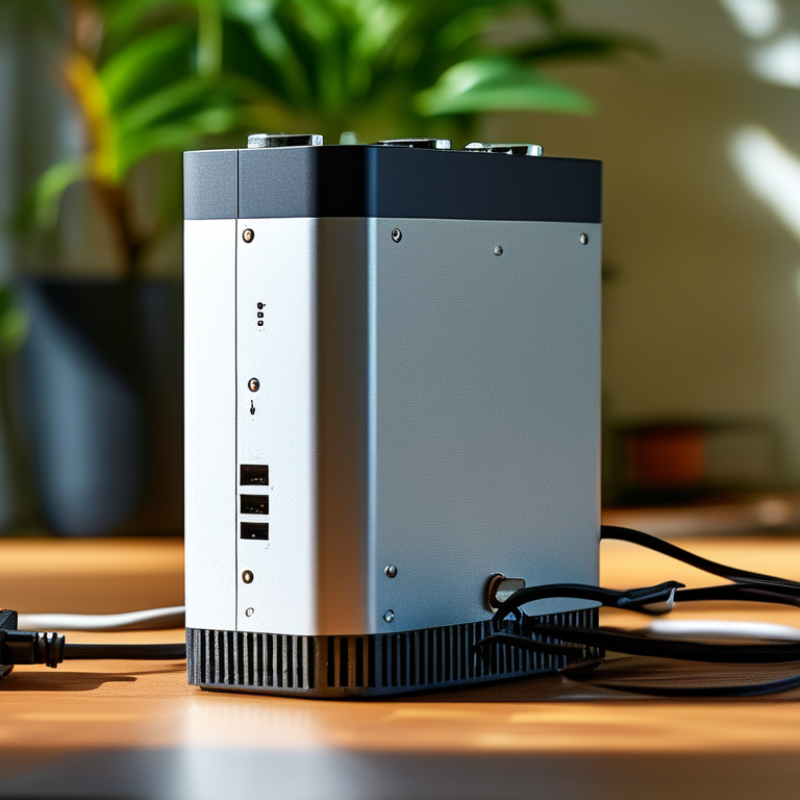
How to Minimize Standby Power Consumption of Power Adapters?

Understanding Standby Power Consumption in Power Adapters

Standby power consumption, often termed "vampire power," refers to the energy used by power adapters when they are plugged in but not actively charging devices. This phenomenon contributes to unnecessary energy waste, costing consumers money and impacting the environment. Understanding how this power drains can empower individuals to make informed decisions about their energy use.

Many power adapters continue drawing power even when they are not connected to a device. The resulting standby power varies significantly between models. Some adapters consume more energy, creating larger bills over time. Inspecting the wattage of your adapter provides insights into its efficiency. For example, older or poorly designed models might consume up to 10 watts when idle, whereas newer standards often require less than 1 watt.

This raises an important issue. While avoiding usage is ideal, unplugging adapters frequently can be inconvenient. Users must find a balance between convenience and energy savings. Investing in smart power strips could be a helpful approach. These strips can automatically cut power when devices are fully charged. Still, the effectiveness of these solutions may vary with user habits and routines. Reflecting on one’s own energy consumption choices can lead to smarter practices and reduced waste.

Identifying Common Sources of Standby Power Loss

Standby power consumption, often called vampire power, can significantly increase energy bills. Many devices continue to draw electricity even when turned off but still plugged in. Common culprits include chargers, televisions, and computers. Even devices on standby mode consume energy. This energy loss can add up over time, leading to unnecessary costs.

Charger adapters are particularly notorious for this issue. When left plugged in, they may not only use power but also produce heat. This energy waste occurs even when devices are not connected. Electronic devices frequently contribute to standby consumption as well. Many modern electronics remain on low power, ensuring they can receive updates or instantly turn on.

Identifying these energy thieves is key to minimizing power use. Unplugging devices or using smart power strips can significantly reduce consumption. Some users may need to rethink habits around charging devices. It takes effort to keep track of what’s plugged in. Simple awareness can lead to effective energy savings and decrease overall environmental impact. Reflecting on these habits can promote a more mindful approach to using electricity.

How to Minimize Standby Power Consumption of Power Adapters? - Identifying Common Sources of Standby Power Loss

Source of Standby Power Loss Estimated Power Consumption (Watts) Recommendations for Minimization
Wall Chargers 0.1 - 0.5 Unplug when not in use
TV Adapters 0.5 - 2 Use a smart power strip
Laptop Chargers 0.2 - 1 Disconnect when fully charged
Game Console Power Supplies 0.3 - 1 Turn off completely
Router Power Adapters 0.3 - 1 Use a timer switch
Phone Chargers 0.05 - 0.2 Remove when fully charged

Practical Steps to Reduce Standby Power in Home Devices

Standby power, often referred to as "phantom load," is a significant energy consumer in households. A study by the U.S. Department of Energy shows that up to 10% of residential energy use comes from devices left in standby mode. This wasted energy adds up, costing families more than $100 annually. Identifying and mitigating standby power can lead to both savings and environmental benefits.

To reduce standby power consumption, consider unplugging devices when not in use. Many appliances, like chargers, remain active even when not connected to devices. Smart power strips can also help by cutting off power to devices when they are not in use. In particular, devices like televisions and computers often draw power for updates or instant-on features even when switched off. This can lead to unnecessary power consumption.

Investing in energy-efficient appliances plays a crucial role. Energy Star-certified products are designed to use less energy, including during standby. While initial costs may be higher, these products save money over time. Not all devices are created equal. Evaluating the energy usage of each device in your home can reveal surprising results. Reflecting on these habits can lead to significant reductions in energy waste.

Choosing Energy-Efficient Power Adapters and Chargers

Choosing the right power adapter is crucial for minimizing standby power consumption. Many people overlook the fact that even when devices are turned off, their chargers can still draw power. This “phantom load” contributes to energy waste and higher electricity bills. Selecting energy-efficient adapters helps reduce this waste. Look for chargers marked with Energy Star ratings, which indicate better efficiency.

Not all adapters are created equal. Many standard models consume excessive standby power. They might seem more affordable at first but will cost more over time. Investing in high-quality adapters pays off in the long run. A well-reviewed energy-efficient model can significantly decrease standby consumption. It's essential to research and read user reviews to find reliable options.

Consider how many devices you charge regularly. Using multi-port chargers can help consolidate power usage. However, ensure that they also meet efficiency standards. It's easy to overlook the importance of monitoring power consumption. Keeping track of your devices' energy use can lead to better choices. These small changes make a big difference in your overall energy consumption.

Implementing Smart Technology for Power Management

In the modern age, minimizing standby power consumption can significantly impact both energy bills and the environment. Smart technology plays a crucial role in this effort. Installing smart plugs allows users to monitor and control the power usage of devices remotely. This means you can easily turn off devices that are not in use, effectively reducing phantom loads.

Integrating smart systems with home automation can create a more sustainable living environment. For instance, using sensors and timers can ensure devices are powered only when needed. This helps prevent wasted energy from devices left in standby mode. Many homeowners may overlook this aspect, often leading to higher electricity costs without awareness.

Nevertheless, adopting smart technology requires careful consideration. Not every device benefits equally from automation. Some users may find themselves confused by complex interfaces, which can lead to frustration. Monitoring and adjusting usage patterns takes time, and some users might struggle with consistent implementation. This reflection is important as managing energy consumption is a journey, not a destination.

FAQS

: What is standby power consumption?

: Standby power consumption refers to energy used by power adapters when not charging devices.

How much power do adapters typically consume in standby mode?

The standby power varies, with some using over 10 watts and newer models consuming less than 1 watt.

What is the impact of standby power on energy bills?

Standby power can lead to higher electricity bills, costing families more than $100 annually.

How can I reduce standby power usage?

Unplug devices when not in use. Smart power strips can cut power to idle devices efficiently.

Are all power adapters equally efficient?

No, many standard adapters consume excessive standby power. Choosing energy-efficient options is essential.

What should I look for in energy-efficient chargers?

Look for chargers with Energy Star ratings, indicating better efficiency during use and standby.

Can multi-port chargers help with energy consumption?

Yes, they can consolidate usage, but ensure they meet efficiency standards to effectively reduce consumption.

Why is it important to reflect on energy consumption habits?

Reflecting on habits can lead to smarter energy choices, reducing waste and saving money over time.

What role do energy-efficient appliances play?

They use less energy, including standby, leading to savings despite potentially higher initial costs.

How can monitoring power consumption help?

Keeping track of devices’ energy use encourages better choices and can significantly reduce overall energy consumption.

Conclusion

To minimize standby power consumption of power adapters, it is essential to first understand how these devices contribute to energy loss even when not actively in use. Common sources include unnecessary energy draw from outdated chargers and devices left plugged in. By identifying these sources, consumers can take practical steps to reduce their energy footprint.

Implementing energy-efficient power adapters and chargers is crucial, as they are designed to consume less power while idle. Additionally, adopting smart technology for power management can further enhance energy savings, allowing users to monitor and control their power usage effectively. By incorporating these strategies, individuals can significantly minimize standby power consumption of power adapters, ultimately contributing to energy conservation and lower utility bills.

Aria

Aria

Aria is a dedicated marketing professional with a deep passion for innovative strategies and a keen understanding of our company's product offerings. With a wealth of experience in the industry, Aria excels at crafting engaging content that highlights the unique features and benefits of our......