How to Minimize Power Loss in AC to DC Conversion?

Time:2026-05-28 Author:Aria
0%

In today's world, efficient energy conversion is critical. One significant challenge is how to minimize power loss during AC-DC conversion. The process involves converting alternating current (AC) to direct current (DC), which is widely used in electronics. However, this conversion can lead to substantial energy waste.

It is essential to address power loss effectively. Energy loss can stem from various factors, such as poor circuit design and inadequate components. High switching frequencies in power supplies can generate heat and reduce efficiency. This heat not only wastes power but can also affect the longevity of electronic devices.

Innovative technologies and methods can enhance conversion efficiency. Selecting high-quality rectifiers and using advanced cooling techniques can mitigate these issues. Understanding these factors is vital for engineers and designers. A focused approach is necessary to minimize power loss during AC-DC conversion. Keeping these details in mind will lead to sustainable practices in energy consumption.
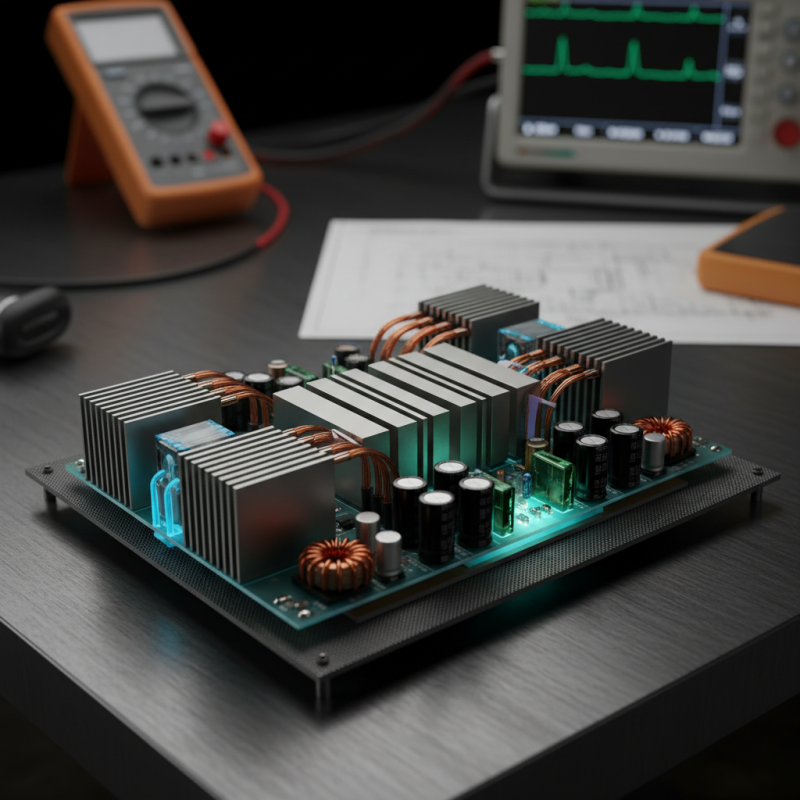
How to Minimize Power Loss in AC to DC Conversion?

Understanding AC to DC Conversion and Power Loss Dynamics

AC to DC conversion is an essential process in many electrical systems. It involves changing alternating current (AC) into direct current (DC). However, this transformation can lead to significant power loss. Industry reports indicate that energy losses can reach up to 20% during this conversion. These losses stem from various sources, including ripple currents, harmonics, and inefficiencies in the conversion devices used.

Understanding the dynamics of power loss is crucial. The voltage and frequency of AC sources can cause variations in dual-phase and three-phase systems, impacting overall efficiency. Furthermore, thermal issues contribute to energy waste. According to studies, optimal cooling practices can reduce these losses by as much as 10%. Designing circuits with added capacitors can also help stabilize voltage levels, enhancing performance. Yet, many systems remain under-optimized.

Addressing these challenges requires expertise and innovative designs. Analyzing the entire conversion process can reveal hidden inefficiencies. Investing in advanced technologies may seem costly initially, but it can yield long-term savings. Exploring passive and active rectification methods offers pathways to mitigate energy loss effectively. Regular assessments and improvements can lead to more sustainable power management solutions.

Common Sources of Power Loss in AC to DC Conversion Processes

When converting AC to DC, power loss often occurs at various stages. One significant source is the rectification process. Diodes, commonly used in this stage, exhibit a voltage drop when conducting. This drop can lead to considerable energy wastage, especially at higher currents. Inadequate heat dissipation adds another layer of inefficiency, causing components to operate at suboptimal temperatures.

Another factor contributing to power loss is the filtering stage. Capacitors help smooth out the output, but their equivalent series resistance (ESR) can result in additional losses. Choosing high-quality capacitors is essential but often neglected. Furthermore, transformers used in the conversion may introduce losses due to magnetic hysteresis and eddy currents. These losses are not always immediately apparent but accumulate over time, impacting overall efficiency.

It’s also crucial to consider layout design. Poor PCB design can lead to unnecessary resistance and inductance, affecting performance. Components should be placed strategically to minimize these factors. Regularly reflecting on these elements can unveil improvement areas. Small adjustments may yield significant gains in efficiency and performance.

Effective Design Strategies to Minimize Power Loss

When converting AC to DC, minimizing power loss is crucial for efficiency. One effective strategy is to utilize synchronous rectification. This method improves efficiency by using switches to replace traditional diodes. Synchronous rectifiers allow for lower voltage drops, thus reducing heat generation. By lowering heat, you can avoid energy waste.

Proper component selection plays a significant role in minimizing power loss. Choose high-quality capacitors and inductors that handle higher frequencies. These components enhance energy transfer and reduce losses. Regularly check component ratings to ensure they meet your project requirements. This attention to detail impacts overall performance significantly.

**Tips:** Regularly inspect your circuit for potential wiring issues. Faulty connections can lead to increased resistance and energy loss. A clean and organized layout can also enhance performance. Avoid excessive lengths of wire; this can add resistance and potential loss.

Another critical design aspect is thermal management. Implement heatsinks and cooling systems to maintain optimal temperatures. Overheating can degrade component performance and lead to failures. Monitor thermal conditions regularly to avoid overlooking small issues that can escalate. Each small adjustment contributes to a more efficient design.

Power Loss in AC to DC Conversion

Innovative Technologies for Enhanced Efficiency in Conversion

In the quest for enhanced efficiency in AC to DC conversion, innovative technologies play a pivotal role. Engineers are now focusing on advanced rectification techniques that significantly reduce power loss. One approach involves using silicon carbide (SiC) and gallium nitride (GaN) materials. These materials exhibit lower switching losses compared to traditional silicon components. This shift can make a noticeable impact on the overall efficiency during conversion.


Another promising development is the integration of digital control systems. These systems provide precise regulation of voltage and current. Such technologies can minimize oscillations and improve stability. However, the implementation can be complex and may require fine-tuning. Engineers must balance complexity with efficiency gains to achieve optimal performance.


Transformers designed with higher efficiency also contribute to minimizing losses. Innovations such as amorphous steel core transformers show promise. They can reduce core losses significantly in comparison to conventional models. Yet, these solutions often come with higher manufacturing costs. Adopting them requires careful consideration of trade-offs. Therefore, while the pursuit for greater efficiency advances, ongoing assessment and adaptation remain crucial.

Best Practices for Testing and Optimizing Power Conversion Systems

Testing and optimizing power conversion systems require careful attention to detail. Start by assessing the efficiency of the components. Measure the voltage and current at every stage of the conversion process. This helps identify where power loss occurs. Use oscilloscopes and multimeters for accurate readings. Consider thermal imaging to detect hotspots that can indicate inefficiencies.

Another key aspect is analyzing the waveform distortion. Harmonics can impact the performance of your system. Utilize tools like power analyzers to record harmonic distortion levels. Investigating these patterns can reveal opportunities for improvement. Sometimes, minor adjustments, like changing the layout of your circuit, can lead to significant gains in efficiency.

Documentation is vital. Keep detailed records of your tests and their outcomes. This not only helps refine processes but also fosters a culture of continuous improvement. Revisiting past results can uncover overlooked issues that require a fresh perspective. Embracing a mindset of reflection can drive innovation in your team. The goal should always be to reduce losses while increasing reliability and stability.

How to Minimize Power Loss in AC to DC Conversion? - Best Practices for Testing and Optimizing Power Conversion Systems

Test Parameter Optimal Range Units Measurement Method Comments
Input Voltage 90-265 V AC Multimeter Ensure stable line voltage
Output Voltage 5-12 V DC Oscilloscope Check for ripple and noise
Efficiency >85 % Power Analyser Test under full load
Ripple Voltage <120 mV Oscilloscope Lower ripple improves stability
Thermal Performance <70 °C Infrared Thermometer Check for overheating components

FAQS

: How can I minimize power loss when converting

C to DC?

What components should I select to enhance efficiency?

Choose high-quality capacitors and inductors. They should handle higher frequencies for better energy transfer.

Why is thermal management important in design?

Overheating can degrade components and cause failure. Use heatsinks and cooling systems to maintain temperatures.

How can wiring issues affect power loss?

Faulty connections increase resistance and lead to energy loss. Regular inspection can help identify these issues.

What tools can I use for testing power conversion systems?

Use oscilloscopes and multimeters to measure voltage and current. Thermal imaging can also spot hotspots.

What should I monitor during testing?

Assess efficiency at each stage and document the outcomes. This helps identify where power loss occurs.

How does waveform distortion impact performance?

Harmonics can reduce system performance. Use power analyzers to check distortion levels and seek improvements.

How can circuit layout affect efficiency?

Minor adjustments in layout can significantly enhance efficiency. Keep your layout clean and organized to lower resistance.

Why is documentation important in the testing process?

Detailed records foster continuous improvement. They help uncover past issues that may need fresh insights.

How can a culture of reflection benefit my team?

Embracing reflection drives innovation. It allows for identifying new solutions to reduce losses and improve stability.

Conclusion

Minimizing power loss during AC-DC conversion is essential for enhancing the efficiency of electrical systems. Understanding the dynamics of AC to DC conversion reveals the common sources of power loss, such as transformer heat, diode switching losses, and inefficiencies in circuit design. By identifying these key areas, engineers can employ effective design strategies that focus on optimizing components and utilizing advanced topologies.

Innovative technologies play a crucial role in this process, introducing solutions like synchronous rectification and active power factor correction. Additionally, best practices for testing and optimizing power conversion systems ensure that any inefficiencies are systematically addressed, allowing for continuous improvements in system performance. Through these approaches, we can significantly minimize power loss during AC-DC conversion, leading to more sustainable and cost-effective energy solutions.

Aria

Aria

Aria is a dedicated marketing professional with a deep passion for innovative strategies and a keen understanding of our company's product offerings. With a wealth of experience in the industry, Aria excels at crafting engaging content that highlights the unique features and benefits of our......