Top 10 Ways to Improve Thermal Management of High Power Converters?

Time:2026-06-26 Author:Charlotte
0%

Thermal management is critical for high power converters. With the ongoing advancements in technology, the need for efficient thermal control has become more pressing. According to Dr. Emily Carter, a leading expert in power electronics, "Effective thermal management is key to enhancing the reliability and performance of high power converters."

Organizations are under immense pressure to improve thermal management of high-power converters. This challenge often leads to innovative solutions. From optimizing heat sink designs to exploring advanced materials, the field is evolving swiftly. While many strategies exist, some approaches may still be too complex or costly for widespread adoption. Experts often emphasize the importance of balancing performance and cost-effectiveness.

It is crucial to analyze and reassess existing methods. Failure to improve thermal management can result in decreased efficiency and potential system failures. As technology advances, outdated techniques may hinder performance. The industry must embrace a mindset of continuous improvement. Adapting to new insights will ultimately shape the future of thermal management in high power converters.
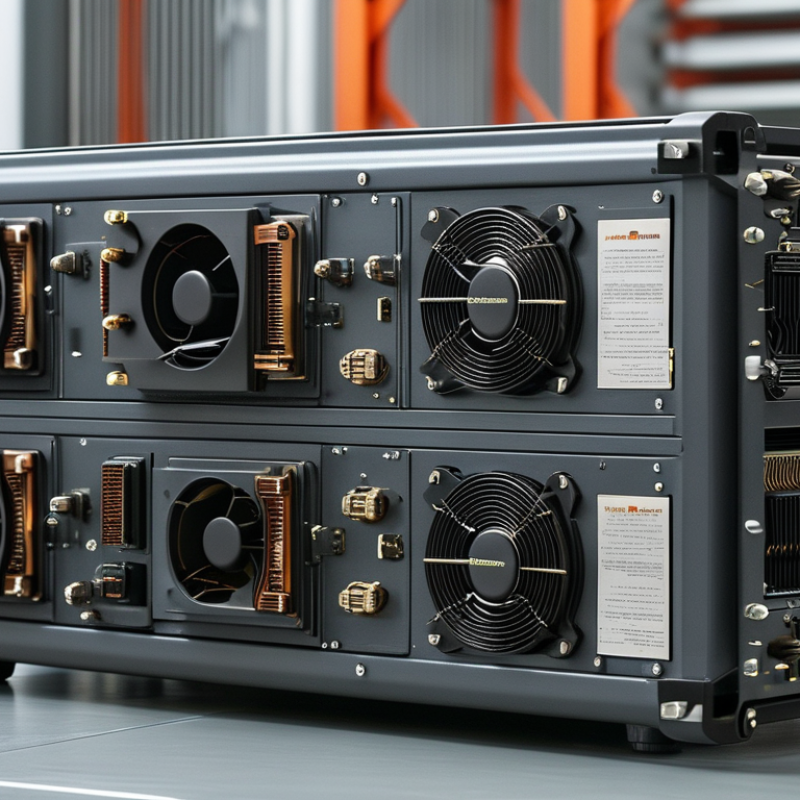
Top 10 Ways to Improve Thermal Management of High Power Converters?

Importance of Thermal Management in High Power Converters

Thermal management plays a critical role in the operation of high power converters. High temperatures can significantly impact performance and reliability. Research indicates that thermal issues can reduce device efficiency by up to 25%. Effective management of heat ensures longer lifespans and optimal functionality.

Implementing a robust cooling system is vital. Liquid cooling solutions can dissipate heat more efficiently than air-based systems. Studies show that proper thermal design can enhance system performance by 30%. Regularly reviewing thermal pathways also helps in identifying potential hotspots.

**Tip:** Use thermal interface materials to improve contact between heat-generating components and coolers.

Power density in converters often leads to challenging thermal scenarios. As components become more compact, managing heat is more complex. Passive cooling solutions can be insufficient for high-performance requirements. Dynamic thermal management systems, which adapt based on load conditions, are increasingly popular.

**Tip:** Monitor junction temperatures regularly to avoid exceeding safe operational limits.

In conclusion, the importance of thermal management cannot be overstated. Poor thermal handling can lead to premature failures and safety hazards. Focusing on innovative cooling strategies and continuous monitoring will provide a more reliable system.

Common Challenges in Thermal Management for High Power Converters

Thermal management in high power converters faces distinct challenges. One major issue is heat generation. High load conditions produce excessive heat, leading to component degradation. Efficient heat dissipation is crucial for reliability.

Another obstacle is varying environmental conditions. High power converters often operate in extreme temperatures. These fluctuations can affect performance and longevity. Engineers must consider these variables in their designs.

Design complexity is also a common challenge. High power converters involve intricate layouts and multiple components. This complexity can make effective thermal management difficult. A poorly designed thermal pathway can result in localized hotspots, which may compromise efficiency. Continuous testing and adaptation are needed to improve designs over time.

Effective Cooling Techniques for High Power Converters

Effective cooling is critical for high power converters. These converters generate a significant amount of heat during operation. If not managed properly, this heat can lead to reduced efficiency and even failure. Utilizing various cooling techniques can greatly improve the thermal management of these systems.

Air cooling is a straightforward method often used due to its simplicity. It involves fans that blow air over converter components. However, this method may not always provide adequate cooling, especially in compact designs. Liquid cooling is another option and can be more effective. It involves circulating a coolant around the converter. This method can dissipate heat more efficiently but requires careful installation and maintenance.

Thermal interface materials (TIMs) can enhance heat transfer between components. Selecting the right TIM can yield significant benefits. Passive cooling methods, such as heat sinks, are also widely used. They help by increasing the surface area for heat dissipation. Each method has its pros and cons, and the choice often depends on the specific application and design constraints. Balancing these factors is crucial for optimal thermal performance.

Material Selection to Enhance Thermal Conductivity in Converters

Thermal management in high power converters is crucial for enhancing efficiency. Material selection plays a vital role in improving thermal conductivity. Metals like copper and aluminum are common choices due to their favorable thermal properties. These materials help dissipate heat effectively, ensuring consistent performance.

However, challenges persist, even with metal selections. For instance, the weight of copper can be a drawback in certain applications. Alternatives like graphene or carbon nanotubes offer excellent thermal conductivity and are lighter. These materials, while promising, are still under research and not widely adopted yet.

The interface between materials also matters. Proper thermal interface materials (TIMs) can bridge gaps and improve heat transfer. Yet, selecting the right TIM can be complex. Factors such as application conditions and material compatibility are critical. Trial and error often leads to better solutions, reflecting ongoing experimentation in the field.

Top 10 Ways to Improve Thermal Management of High Power Converters

This chart illustrates the effectiveness of various material selections that enhance thermal conductivity in high power converters. The data showcases the thermal conductivity values (W/m·K) of selected materials commonly used in thermal management.

Monitoring and Control Systems for Optimal Thermal Performance

Effective thermal management is crucial for high power converters, as overheating can lead to system failure. Monitoring and control systems play an essential role in maintaining optimal thermal performance. According to the International Electrotechnical Commission (IEC) report, up to 30% of energy losses in power converters can be attributed to inadequate thermal management. Real-time data collection allows for precise temperature monitoring, enabling proactive measures.

Integrating advanced control algorithms into these systems enhances their response to fluctuating thermal loads. Research from the Electric Power Research Institute (EPRI) indicates that active thermal management systems can improve efficiency by over 15%. These systems dynamically adjust cooling rates based on real-time performance data, addressing immediate thermal challenges.

However, implementing these technologies can be complex. Many companies struggle with compatibility between legacy systems and modern monitoring tools. The need for periodic calibration and maintenance often gets overlooked. Moreover, training staff to interpret thermal data effectively is another barrier. While there is potential for improvement, the journey towards optimal thermal management remains challenging yet necessary for operational reliability.

Top 10 Ways to Improve Thermal Management of High Power Converters

Method Description Effectiveness Cost Implementation Time
Advanced Cooling Techniques Utilization of liquid cooling systems to enhance heat dissipation. High $$$ Medium
Improved Heat Sink Design Redesigning heat sinks for better airflow and heat transfer. Medium $$ Short
Thermal Interface Materials Using high-performance thermal interface materials to improve heat transfer. High $$ Short
Active Cooling Systems Employing fans or heat pumps to maintain optimal temperature. Very High $$$$ Medium
Thermal Analytics Employing software for thermal simulations and diagnostics. Medium $$$ Long
Heat Spreader Technology Implementation of heat spreaders to distribute heat evenly across components. High $$ Medium
Smart Monitoring Systems Integrating IoT for real-time temperature monitoring. Very High $$$ Short
Airflow Optimization Redesigning layouts to maximize natural airflow around components. Medium $ Short
Copper Heat Pipes Using copper heat pipes for efficient thermal conductivity. High $$$ Medium
Component Selection Choosing components with better thermal characteristics. High $$ Short

FAQS

: What is a major challenge in thermal management for high power converters?

: A main challenge is excessive heat generation under high load conditions, leading to component degradation.

How do extreme environmental conditions impact high power converters?

Fluctuating temperatures can affect performance and longevity, requiring careful engineering considerations.

Why is design complexity a challenge in thermal management?

Intricate layouts and multiple components make effective thermal management difficult, risking efficiency due to hotspots.

How does material selection impact thermal conductivity?

Choosing the right materials is vital; metals like copper and aluminum excel in heat dissipation due to their properties.

What are some drawbacks of using copper in applications?

The weight of copper can be a limitation, especially in applications where reducing weight is essential.

Are alternative materials being researched for better thermal conductivity?

Yes, materials like graphene and carbon nanotubes are lighter and offer great conductivity but are still being tested.

What role do thermal interface materials (TIMs) play?

TIMs improve heat transfer by bridging gaps between materials, but selecting the right one can be complex.

Why is trial and error important in material selection?

Ongoing experimentation leads to better solutions, as the right choices depend on application conditions and compatibility.

Can poor design choices compromise efficiency?

Yes, a badly designed thermal pathway can create localized hotspots, affecting the overall performance of the converter.

How does continuous testing contribute to thermal management improvements?

Continual testing allows engineers to refine designs and adapt to challenges, enhancing the reliability of high power converters.

Conclusion

Effective thermal management is crucial for enhancing the performance and longevity of high-power converters. This article outlines the significance of managing heat in these systems, identifying common challenges such as excessive heat generation and the limitations of traditional cooling methods. To improve thermal management of high-power converters, various effective cooling techniques are discussed, including liquid cooling and advanced heat sinks.

Additionally, selecting materials with high thermal conductivity can significantly enhance heat dissipation. Implementing robust monitoring and control systems ensures optimal thermal performance by enabling real-time adjustments to cooling methods. By adopting these strategies, engineers can effectively mitigate thermal issues, leading to more reliable and efficient high-power converter operations.

Charlotte

Charlotte

Charlotte is a seasoned marketing professional with a deep understanding of the company's portfolio and a passion for elevating its presence in the market. With a keen eye for detail and a commitment to excellence, she ensures that our professional blog is regularly updated with insightful articles......