In the pursuit of sustainable technology, improving power conversion efficiency for electrical devices is essential. According to a recent report by the International Energy Agency, worldwide energy consumption in electrical devices is projected to increase by 25% by 2030. This inefficiency leads to significant energy waste and higher operational costs. The challenge lies in optimizing the energy conversion process.
Power loss during conversion is often due to outdated designs and inefficient components. For example, many devices utilize conventional transformers that can have efficiency ratings as low as 80%. In contrast, newer technologies, such as silicon carbide (SiC) semiconductors, can exceed 90% efficiency. Investing in these innovations may seem daunting but is necessary for future growth and sustainability.
However, the industry still faces obstacles. Many manufacturers resist upgrading their systems due to high initial costs. This hesitance can hinder progress. Addressing both technological and perceptual barriers is crucial for driving change. By focusing efforts on innovations that improve power conversion efficiency for electrical devices, we can move toward a more energy-efficient future.
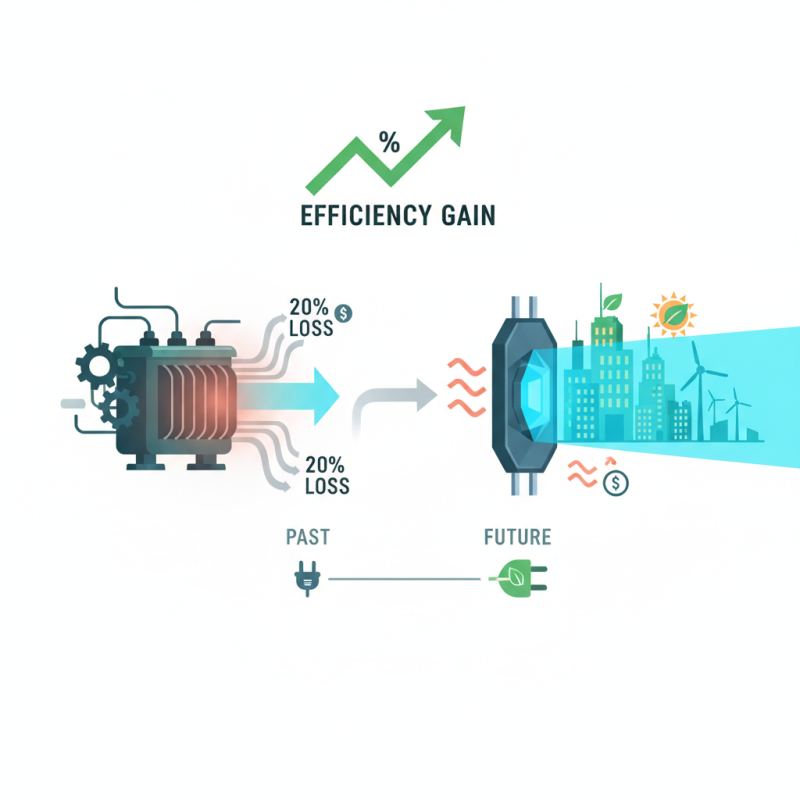
Power conversion efficiency (PCE)
is a critical metric for electrical devices. It measures how effectively a device converts input power into usable output power. Several key factors influence PCE. Understanding these can help improve device performance.
The design of electronic circuits plays a significant role. Efficient designs minimize energy losses during conversion. For instance, a report from the Energy Efficiency Technologies program indicates that optimizing circuit layouts can increase PCE by up to 30%. Additionally, selecting high-quality components is vital. Low-resistance materials can reduce power losses, while low-leakage capacitors enhance overall efficiency. Research shows that component quality directly impacts PCE levels.
Thermal management is another factor. Devices generating excessive heat lose energy, reducing efficiency. Data suggests that implementing effective cooling solutions can improve PCE by about 15%. However, balancing heat dissipation and energy consumption remains a challenge. Even minor improvements in these areas can yield significant benefits. Focusing on these aspects is essential for developing advanced electrical devices with increased power conversion efficiency.
Power conversion efficiency is a vital metric in electrical devices. It determines how much energy is lost during the conversion process. Different power conversion topologies exhibit varying efficiencies. For instance, a recent report highlights that isolated converters can achieve efficiencies of up to 95%. However, challenges often arise due to heat losses and component limitations. Many engineers find it difficult to consistently reach optimal performance.
One common topology is the buck converter, which steps down voltage efficiently. It can reach efficiencies above 90% based on design specifics. Yet, inefficiencies can creep in during switching operations and inductor losses, complicating the design process. On the other hand, boost converters can be less efficient under certain load conditions. Their complexity can lead to unexpected energy losses.
Another promising option is the resonant converter. While it can theoretically reach over 98% efficiency, real-world applications often see a drop in performance. Factors like stray inductance and capacitance can hinder outcomes. This area requires further exploration and innovation to close the gap between theoretical and practical efficiencies. Understanding these nuances is key for engineers aiming to enhance power conversion systems.
Implementing advanced materials significantly boosts energy conversion in electrical devices. These materials can improve efficiency by reducing energy losses. Research shows that materials like perovskites and organic semiconductors offer promising results. They are lightweight, flexible, and can be produced at a lower cost.
However, challenges still exist. The longevity of these materials is often under scrutiny. Their performance may degrade over time, raising concerns about long-term reliability. For devices to become mainstream, these issues must be addressed. Meanwhile, integrating nanomaterials shows potential. They can enhance conductivity and reduce resistance, yet scaling them up for mass production remains a challenge.
Innovative approaches are necessary to fully harness advanced materials. Collaboration across disciplines could lead to breakthroughs. Increased focus on recycling and sustainable practices will be vital. In the end, while there is great promise, ongoing research and development are essential to overcome existing hurdles.
Optimizing circuit design is essential for enhancing power conversion efficiency. According to a report by the International Energy Agency, around 10% of global energy demand is wasted due to inefficient electrical devices. A well-designed circuit can significantly reduce this loss. Poor layout and inadequate component selection lead to increased resistance and energy dissipation.
Incorporating techniques like synchronous rectification can reduce losses in power converters. Research shows that this method can improve efficiency by 5-15%, depending on the application. Moreover, using high-frequency switching can lead to smaller components, but it also introduces challenges such as electromagnetic interference. Designers must find a balance between size and efficiency.
Thermal management is another crucial area that requires attention. Improper heat dissipation can spike component temperatures, leading to decreased efficiency and reduced lifespan. Attending to PCB layout and using thermal vias can help manage heat better. Yet, designers often overlook this aspect, leading to reliability issues in high-performance devices. Continuous learning and adaptation are vital for overcoming these challenges in circuit design.
Improving power conversion efficiency is crucial for modern electrical devices. Software algorithms play a significant role in this enhancement. By analyzing real-time data, these algorithms can adjust operating parameters dynamically. This adaptability helps in achieving optimal performance under varying load conditions.
For instance, a smart algorithm can optimize the switching frequency of a power converter. This adjustment can minimize losses during energy transfer. The algorithms can also predict future load requirements, adjusting settings proactively. However, not all algorithms deliver the same results. Overly complex models may slow down decision-making processes, leading to inefficiency.
Using feedback loops in these systems is essential, yet challenging. They can create delays in response time, affecting overall efficiency. Additionally, relying solely on algorithmic solutions might overlook hardware limitations. Regular system assessments and updates in the software must occur. Continuous improvement is key, even when progress seems slow. Supporting system integration with simpler, loop-based algorithms might yield better results in the long run.
: Advanced materials improve efficiency in electrical devices by reducing energy losses.
They are lightweight and flexible, allowing for easier production at lower costs.
Their performance may degrade over time, raising reliability questions.
Nanomaterials enhance conductivity and reduce resistance, but scaling up for mass production is challenging.
They analyze real-time data to adjust operating parameters, optimizing performance under varying loads.
Yes, overly complex models may slow down decision-making, leading to inefficiency.
Feedback loops can create delays in response time, affecting overall efficiency.
They ensure both software and hardware limitations are addressed for continuous improvement.
Simpler, loop-based algorithms might yield better results and support smoother system integration.
Yes, ongoing research and development are essential to overcome current hurdles and improve efficiency.
To improve power conversion efficiency for electrical devices, it is essential to identify the key factors that influence performance. This includes analyzing various power conversion topologies to understand their efficiency characteristics and determining how each design can be optimized for minimal energy loss. By implementing advanced materials, we can enhance energy conversion capabilities, ensuring that devices operate more effectively.
Additionally, optimizing circuit design plays a crucial role in minimizing power losses, while leveraging software algorithms can further refine efficiency control. These combined strategies not only optimize overall performance but also contribute to sustainable energy use, thereby enhancing the functionality of electrical devices in various applications.

JDI Power Supply