Selling a power adapter across borders involves more than changing the plug shape. Homes may supply 100–127 volts at 50 or 60 hertz, while other markets commonly use 220–240 volts. A mismatch can cause overheating, unstable charging, or permanent equipment damage.
To Optimize power adapter compatibility with global voltage standards, manufacturers must verify input ranges, frequency tolerance, grounding, insulation, and thermal performance. A label claiming “100–240V” is only a starting point. Engineers should test the adapter at low voltage, high voltage, maximum load, and restricted airflow. They should also examine startup behavior, surge response, and performance after repeated temperature cycles.
Small details matter.
Dr. Ray Ridley, a recognized power-electronics specialist, offers a useful design reminder: “A power supply must be designed for the real operating environment.” That principle supports a practical, evidence-based approach. Product teams should compare regional plug systems, review IEC 62368-1 requirements, and complete EMC and safety testing before distribution. Independent laboratories can provide stronger credibility than internal checks alone.
Yet compatibility work is rarely perfect. A laboratory may not reproduce every hotel socket, extension cable, or unstable grid. I have seen specifications look complete while missing a critical frequency limitation. That weakness deserves attention, not concealment. Reliable global products combine conservative engineering, clear markings, qualified components, and traceable test records. They also include region-specific instructions, replaceable fuses where appropriate, and protection against overvoltage, overcurrent, and overheating. Safety claims should reflect verified results, not optimistic assumptions.
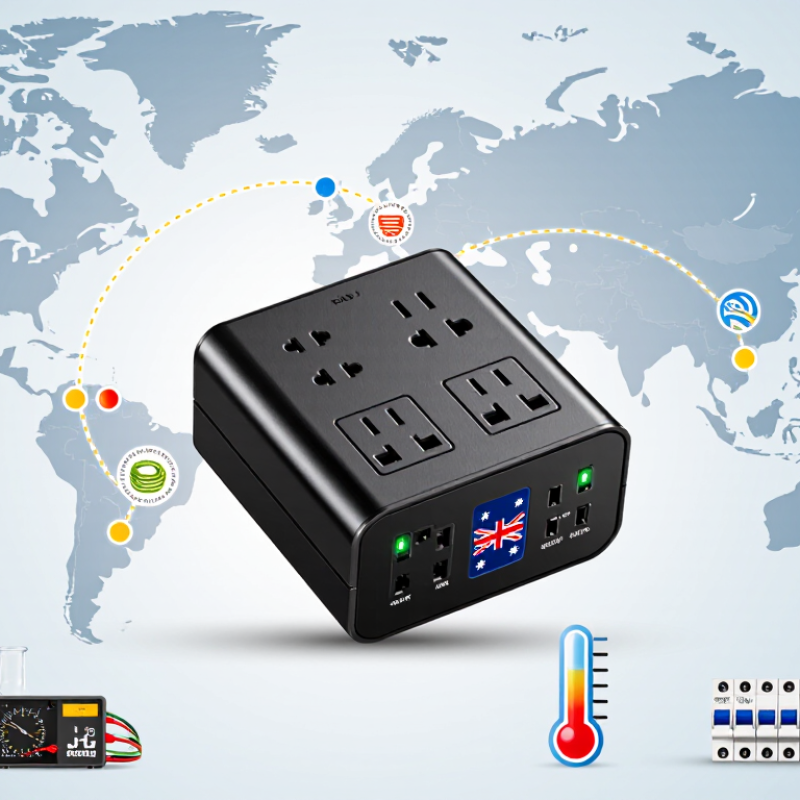
Understanding Global Voltage, Frequency, and Plug Standards
How to Ensure Power Adapter Compatibility Worldwide?
A power adapter must match more than the wall socket. Check the device label for input voltage, frequency, and current. Many modern devices accept 100–240V and 50/60Hz, which supports use across numerous countries. Other equipment accepts only one voltage, such as 110V or 220–240V. Connecting it directly to the wrong voltage can cause overheating, failure, or fire.
Frequency also matters. Most electronic chargers tolerate both 50Hz and 60Hz. Motors, timers, and some older appliances may not. A plug adapter only changes the pin shape. It does not convert voltage or frequency. Plug standards vary widely, and grounding pins may be important for metal-cased equipment. A loose connection can become surprisingly hot.
Tips: Read every line on the input label, not just the wattage. Confirm the destination’s voltage and frequency before traveling. Check whether the adapter supports the device’s required current. I once underestimated frequency because the voltage looked correct; that assumption was careless. When uncertain, use a properly rated converter and ask a qualified electrician. A small label check is worth the pause.
How to Ensure Power Adapter Compatibility Worldwide?
Understanding global voltage, frequency, and plug standards is essential before selecting a power adapter. The chart shows nominal mains voltage in representative markets.
Plug shapes are not the same as electrical specifications. A travel adapter changes the physical plug format, but it usually does not convert voltage or frequency. Check the device input rating and confirm the local voltage, frequency, and plug type before use. Japan uses 50 Hz in eastern regions and 60 Hz in western regions.
Matching Adapter Input and Output Electrical Specifications
How to Ensure Power Adapter Compatibility Worldwide?
Matching input and output specifications is the safest starting point. IEC 60038 identifies 230 volts as a standard low-voltage supply, while North American systems commonly use 120 volts. Frequency also matters. The U.S. Energy Information Administration reports a 60-hertz grid, whereas many countries operate at 50 hertz. Check the adapter label for its input range, such as 100–240 V AC and 50/60 Hz. A narrow range can fail abroad.
Output specifications require closer inspection. Match the device’s required voltage exactly. The adapter’s current rating may equal or exceed the device requirement. For example, a 12 V, 2 A device needs at least 24 watts. Confirm polarity, connector dimensions, and grounding. A matching plug can still deliver the wrong polarity. That mistake can damage equipment quickly.
Field checks are useful. Read the original adapter, photograph its label, and measure the connector before ordering. IEC 62368-1 emphasizes safeguards against electrical and energy-related hazards in audio, video, and information technology equipment. Still, labels can be confusing. I have seen adapters marked with similar symbols but different outputs. Recheck every value. Compatibility is not guaranteed by a universal plug alone.
Sources: IEC 60038, IEC 62368-1, and U.S. Energy Information Administration, “Electricity Explained.”
Selecting the Correct Plug Type for Each Destination
International travel is expanding, making plug selection a practical safety issue. UN Tourism reported about 1.4 billion international tourist arrivals in 2024. That volume creates countless opportunities for incompatible chargers and adapters. Selecting the correct plug type should begin before packing.
Check the destination’s socket standard, voltage, and frequency. The International Electrotechnical Commission’s World Plugs database identifies regional plug configurations and electrical characteristics. A Type G plug will not fit a Type C socket. A physical adapter also cannot convert voltage. That distinction matters for hair dryers, shavers, and other high-power appliances. Read the device label carefully. Look for “100–240 V, 50/60 Hz” before connecting it.
A reliable travel check uses three details: plug shape, voltage, and frequency. Confirm them through a national electrical authority or the IEC database. Then inspect the adapter for secure pin alignment and grounding support. Loose connections can create heat at the socket. I have found that universal adapters are convenient, but their printed country lists are sometimes incomplete. That is worth questioning. Some destinations use several socket types within one country, especially in older buildings. Carrying a small, destination-specific adapter may be less flexible, yet often more dependable. Test the connection briefly after arrival, and stop immediately if the adapter feels hot, smells unusual, or fits poorly.
Checking Safety Certifications and Regional Compliance Requirements
A power adapter can work electrically and still fail a market’s safety requirements. Compatibility begins with certification, not only voltage and plug shape. For each destination, verify input range, output stability, insulation, temperature rise, and leakage current. Depending on the product’s use, IEC 61558 or IEC 62368-1 may apply. IEC 62368-1 uses hazard-based safety evaluation for information and communication equipment. However, it does not automatically replace local approval. That distinction matters.
In the European Union, review applicable CE obligations, technical files, and declarations of conformity. In the United Kingdom, check UKCA requirements and designated standards. Other markets may require national testing, registration, or electromagnetic compatibility evidence. A compliance file should include test reports, traceability records, translated instructions, and production-control details. Confirm that each certificate matches the exact model, plug assembly, power rating, and manufacturing site. A similar-looking adapter is not enough.
The 2023 EU Safety Gate report recorded 3,412 alerts. Electrical appliances and equipment represented about 10 percent of notified products. This deserves attention during supplier audits. Global E-waste Monitor 2024 reported 62 million tonnes of e-waste in 2022. Only 22.3 percent was formally collected and recycled.
That figure is sobering. Use durable components, clear markings, and region-specific plug assemblies. In practical reviews, checklists sometimes pass while a label or test scope remains unclear. That weakness is easy to miss, and expensive to correct after shipment.
Testing Compatibility Before Worldwide Deployment
How to Ensure Power Adapter Compatibility Worldwide?
Testing Compatibility Before Worldwide Deployment
A power adapter may fit a socket and still fail in real use. Before shipment, test voltage ranges, frequency differences, plug geometry, and output stability. I have seen a prototype work at room temperature, then shut down after an hour inside a warm test chamber. Small details matter.
Build a test plan around actual destinations. Use regional socket samples, extension leads, and common load devices. Measure startup behavior, no-load power, ripple, temperature, and charging speed. Test at low and high input voltage. Repeat each test several times. One successful reading proves very little.
Check mechanical fit by inserting and removing the adapter repeatedly. Watch for loose contact, unusual heat, buzzing, or damaged pins. Test under partial and maximum rated loads. A qualified laboratory can verify safety performance and required regional markings before release. Keep photographs, instrument settings, and test dates in a controlled report. That record supports engineering decisions and customer questions.
Our early checklist missed cable movement during testing. The adapter passed electrical checks, but the connector loosened after repeated bending. We changed the fixture and added a longer endurance cycle. It was not a perfect process. That is useful to remember. Real users do not operate products under ideal laboratory conditions. Their walls, cables, temperatures, and habits vary widely.
Conclusion
Ensuring power adapter compatibility worldwide requires a clear understanding of regional voltage, frequency, and plug standards. Before selecting an adapter, confirm that its input range matches the destination’s electrical supply and that its output voltage, current, polarity, and connector specifications suit the connected device. Using the wrong electrical parameters can cause poor performance, overheating, or equipment damage. Optimize power adapter compatibility with global voltage standards by reviewing technical requirements for every target market and selecting the correct plug configuration for each destination.
Safety certifications and regional compliance requirements should also be verified before distribution or deployment. Documentation should clearly identify supported electrical conditions, protection features, and approved operating limits. Finally, test the adapter under representative voltage, frequency, load, temperature, and plug conditions in each intended region. Pre-deployment testing helps identify compatibility issues early, confirms stable performance, and supports a safer, more reliable worldwide rollout.

 JDI Power Supply