In today's technology-driven world, power supply devices are essential for daily operations. However, they are vulnerable to electrical surges. These surges can damage equipment and disrupt functionality. Therefore, it is crucial to enhance surge protection for power supply devices. Understanding this concept requires knowledge of how surges occur and their potential effects.
Many users overlook the importance of surge protection. They may not realize the risks until it is too late. A sudden voltage spike can occur due to various factors, such as lightning strikes or power fluctuations. Enhanced surge protection measures can significantly reduce these risks. Professionals in the field recommend specific devices and practices to mitigate damage.
While progress has been made, some solutions may not be foolproof. Users need to continually assess their surge protection strategies. Are they using the best devices available? Are the installed devices functioning effectively? Addressing these questions can lead to better outcomes. Enhancing surge protection for power supply devices is not merely a recommendation; it is an essential practice for reliability and safety.
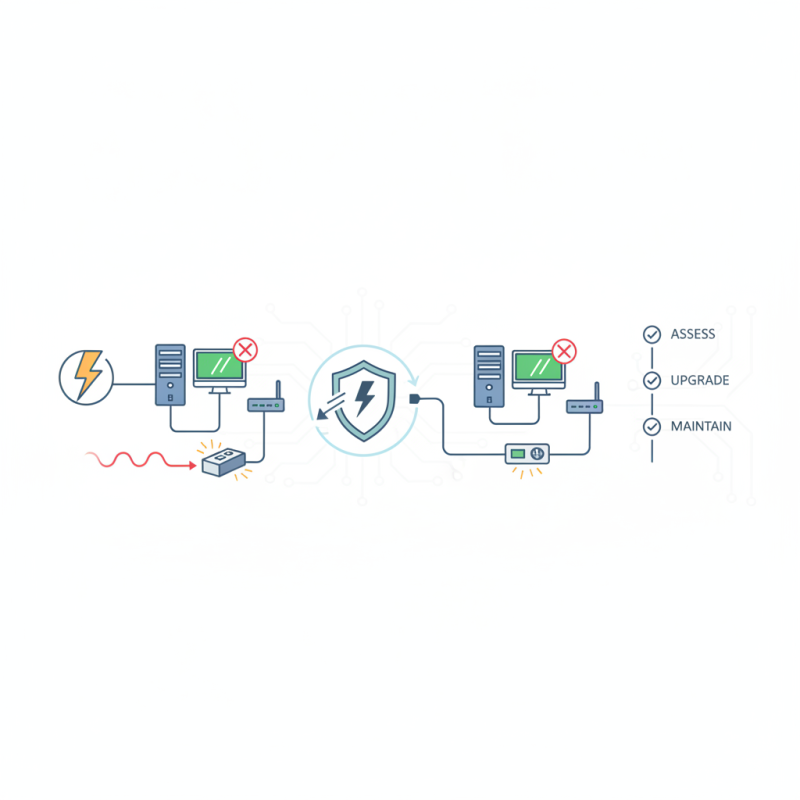
Understanding Surge Protection in Power Supply Devices
Surge protection in power supply devices is crucial for maintaining the longevity and functionality of electronic equipment. Power surges can occur unexpectedly due to lightning strikes, electrical faults, or sudden changes in load. This can damage sensitive circuits and lead to costly repairs. A reliable surge protection mechanism can absorb and redirect excess voltage, ensuring that connected devices remain safe.
Understanding how surge protection works involves recognizing its components. Many devices use metal oxide varistors (MOVs) or transient voltage suppression (TVS) diodes. These components react swiftly to voltage spikes, clamping the excess power. However, relying solely on these components is not always enough. Regular inspections and the replacement of worn-out surge protectors are necessary to ensure ongoing protection.
Not all surge protectors offer the same level of defense. Users often overlook the importance of selecting the right device for their needs. Many assume that a basic model suffices, but it may not provide adequate protection against severe surges. Mistakes can lead to device failure, underlining the importance of informed choices. Users should seek expert advice when evaluating their surge protection options.
Types of Surge Protection Devices and Their Applications
Surge protection devices (SPDs) are essential for safeguarding power supply equipment from voltage spikes. The most common types include transient voltage surge suppressors (TVSS), whole house surge protection, and plug-in surge protectors. Understanding their applications can help in selecting the right device for specific needs.
TVSS operates by diverting excess voltage to the ground. This device is crucial for commercial settings, protecting sensitive electronics like servers.
Reports indicate that up to 70% of power disruptions come from surges. Whole house surge protectors are linked directly to the electrical panel. These devices protect all appliances from external surges, making them ideal for residential use.
Plug-in surge protectors are widely used for personal devices and are available in various configurations. Some can protect multiple devices simultaneously. However, they may have limitations, such as lower joule ratings. A surge protector with a
high joule rating can absorb more energy, offering better protection. Ultimately, selecting an SPD requires assessing individual power usage and the potential exposure to surges. Proper evaluation can mitigate risks and extend the lifespan of electronic equipment.
Steps to Enhance Surge Protection in Electrical Systems
Surge protection is critical for the longevity of power supply devices. Electrical systems face various threats, from lightning strikes to power surges. Enhancing surge protection can prevent costly damage and ensure smooth operation.
One effective tip is to install surge protectors at key points in your electrical system. This includes the main panel and individual circuits. Consider choosing devices with adequate joule ratings to absorb surges effectively. Not all surge protectors are created equal, so understanding specifications is essential. Regularly inspect these devices, as their effectiveness diminishes over time.
Another approach is grounding. Ensure that your electrical system is properly grounded. A solid grounding system diverts excess voltage safely into the earth, protecting your equipment. Periodic testing of the grounding system will help identify any issues that may arise. You might think your setup is optimal, but factors like soil condition can affect grounding.
Lastly, educate yourself about the risks associated with electrical surges. Awareness of your environment and the potential for unpredictable surges is crucial. Simple actions, like unplugging devices during storms, can make a significant difference. Don't overlook the basics. Each small step contributes to a more robust surge protection strategy.
Best Practices for Maintaining Surge Protection Devices
Surge protection devices (SPDs) are critical for safeguarding power supply systems. To ensure optimal performance, regular maintenance is essential. Inspecting these devices should involve checking for any signs of wear or damage. This includes verifying indicator lights and looking out for any unusual smells or noises. Such checks can prevent unnoticed failures during peak usage times.
It’s also crucial to keep SPDs clean and free from dust. Accumulation can hinder their effectiveness. Additionally, document maintenance activities and any replacements made. This practice not only enhances reliability but also helps in tracking the lifespan of the devices. Regular training for staff on SPD knowledge is beneficial. Understanding the basics empowers teams to address minor problems promptly.
Moreover, it’s vital to evaluate the environment where SPDs are installed. Excessive humidity or extreme temperatures can impact their performance. Awareness of these conditions can prompt timely interventions. Reflect on the current system’s resilience. Are there gaps that could lead to potential issues? Continuous improvement is essential for robust surge protection.
Common Misconceptions About Surge Protection Effectiveness
Surge protection is often misunderstood. Many people think that having a surge protector is enough to fully safeguard their devices. However, this is not always true. A surge protector can only handle a limited amount of voltage. If the surge exceeds this limit, the connected devices may still be at risk. A better understanding of your surge protection devices can help prevent potential damage.
Another common myth is that surge protectors offer complete protection against all power surges. In reality, some surges can bypass these devices entirely. For instance, surges from lightning strikes can overwhelm typical units. Understanding where these surges come from can inform better protection strategies. Relying solely on surge protectors can lead to costly repairs.
Tips: Always choose surge protectors with a high joule rating. This indicates their energy absorption capacity, providing better protection. Regularly check your surge protectors for signs of wear. If they become damaged, replace them promptly. Consider installing whole-house surge protection for comprehensive coverage against larger surges.
FAQS
: Surge protection safeguards electronic devices from voltage spikes. It helps maintain longevity and functionality.
Power surges can occur from lightning strikes, electrical faults, or sudden load changes. They can damage sensitive circuits.
Surge protectors absorb and redirect excess voltage. They use components like MOVs and TVS diodes to clamp excess power.
No, not all surge protectors provide equal protection. Selecting the right device is essential for safety and effectiveness.
Regular inspections ensure continued protection. Worn-out devices may fail to protect against surges effectively over time.
Assess your power usage and exposure to surges. Look for devices with higher joule ratings for better protection.
Common types include TVSS, whole house protectors, and plug-in protectors. Each serves specific applications and needs.
Install surge protectors at key points. Ensure proper grounding. Regularly inspect devices for effective surge protection.
Yes, proper grounding diverts excess voltage safely into the earth. It protects equipment and requires periodic testing.
Unplugging devices during storms can prevent damage. Every small precaution helps strengthen surge protection strategies.
Conclusion
The article "Enhance Surge Protection for Power Supply Devices Explained" delves into the importance of surge protection in safeguarding electrical systems. It begins by detailing how surge protection devices (SPDs) function and the various types available, including their specific applications in different environments. To enhance surge protection for power supply devices, it outlines key steps such as proper installation, regular maintenance, and integrating multiple layers of protection.
Best practices for maintaining surge protection devices are discussed to ensure their longevity and effectiveness, countering common misconceptions that often underestimate their value. By understanding these aspects comprehensively, individuals and organizations can better protect their power supply systems against electrical surges, ultimately leading to improved reliability and equipment longevity.

 JDI Power Supply