In today's rapidly evolving technological landscape, ensuring the reliability of power adapters in harsh environments is increasingly critical. According to a report by the International Electrotechnical Commission (IEC), nearly 20% of power adapter failures occur due to environmental conditions such as extreme temperatures and humidity. This statistic underscores the importance of strategies aimed to enhance reliability. Experts in the field, like Dr. Emily Zhang, a renowned electrical engineer, assert that “enhancing the reliability of power adapters in harsh environments is not just a goal but a necessity for sustainable technology.”
The adaptation of power adapters to withstand challenging conditions not only impacts device performance but also affects operational efficiency. Harsh environments can degrade materials and lead to premature failures. Regular assessments and updates to design are essential. Real-world applications often reveal that failure points, once overlooked, become critical factors in product longevity. Understanding these vulnerabilities is key to developing solutions that contribute to longevity and effectiveness.
As we explore ten actionable tips, it is crucial to reflect on potential shortcomings in existing devices. These gaps offer valuable insights into improvements needed. By prioritizing reliability, we can ensure that power adapters serve their purpose and maintain efficacy even under the toughest circumstances.
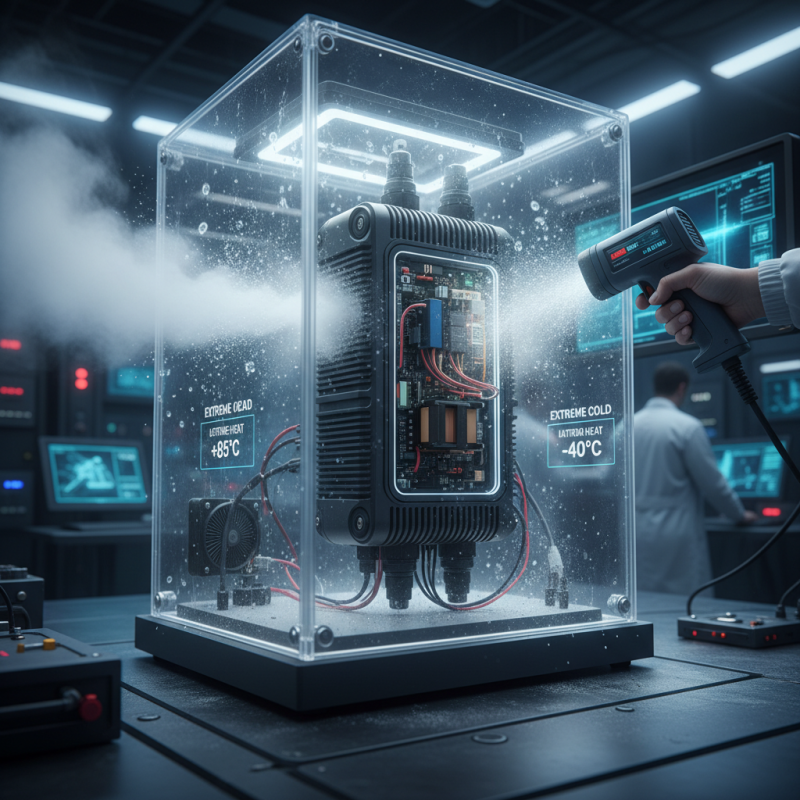
Choosing power adapters for harsh environments can be challenging. Specific conditions like extreme temperatures, humidity, and dust exposure can lead to failures. For example, a recent industry report indicates that over 30% of power supply failures in outdoor settings stem from environmental stresses. This statistic underscores the importance of selecting the right power adapter.
When evaluating options, consider the input voltage range. A wide range ensures adaptability in varying conditions. Also, look for units with high ingress protection (IP) ratings. An IP65 rated adapter can withstand dust and low-pressure water jets. These features significantly enhance reliability. Additionally, selecting adapters with thermal protection can prevent overheating, a common issue in extreme climates.
It’s essential to think about materials too. Look for adapters with enclosures made from durable materials. Polycarbonate or aluminum housing can provide resistance against impact and corrosion. Not all products on the market are created equal. Some may not meet the robustness required for severe conditions. Testing and certifications play a key role. Ensure that products carry relevant industry standards for assurance. While these guidelines are valuable, experiences may vary. A thorough evaluation often leads to better reliability in the field.
| Tip Number | Tip Description | Key Benefits |
|---|---|---|
| 1 | Choose industrial-grade components | Enhanced durability and temperature tolerance |
| 2 | Implement robust enclosure design | Protection against dust, moisture, and mechanical stress |
| 3 | Utilize surge protection devices | Prevention of damage from voltage spikes |
| 4 | Consider thermal management solutions | Reduced overheating and improved efficiency |
| 5 | Select appropriate input/output connectors | Enhanced reliability and easier maintenance |
| 6 | Perform regular maintenance and testing | Early detection of potential failures |
| 7 | Ensure proper grounding practices | Minimized risk of electrical shocks and failures |
| 8 | Utilize overvoltage protection | Increased safety and device longevity |
| 9 | Select converters with high efficiency | Reduced energy losses and heat generation |
| 10 | Monitor environmental conditions | Adapt designs to specific operational challenges |
: Enclosures must resist extreme temperatures, moisture, and dust. Material selection is crucial for durability and thermal management.
High temperatures can cause overheating and degrade components. Low temperatures may make materials brittle, leading to failures.
Proper ventilation prevents overheating, which can reduce component lifespan by 50%. Airflow needs protection.
Gaskets can prevent moisture ingress, significantly reducing failure rates. Enhanced sealing boosts reliability under tough conditions.
Many designs skip real-world simulations. Environmental stress testing ensures enclosures withstand expected conditions and pressures.
Regular inspections and maintaining optimal storage conditions help enhance reliability. Users must know their limits.
Connectors with high ingress protection ratings reduce failures. Locking mechanisms help prevent disconnections in harsh conditions.
Unexpected failures can occur even after rigorous testing. Real-world conditions sometimes reveal weaknesses not seen in labs.
Storage conditions are critical; extreme temperatures before use can compromise reliability and performance.
Poor thermal management can lead to overheating, impairing connection quality. Evaluating operational temperatures is essential in design.
To enhance the reliability of power adapters in harsh environments, it is essential to adopt best practices in their selection and design. This includes carefully choosing adapters that can withstand extreme conditions and implementing design strategies that focus on the resilience of enclosures. Moreover, understanding how temperature extremes affect performance can inform better thermal management techniques. Proper ventilation is crucial to prevent overheating, ensuring that the power adapters function effectively in challenging climates.
Additionally, ensuring electrical connection integrity is vital for maintaining performance under adverse conditions. By utilizing techniques tailored to address these challenges, manufacturers can significantly improve the reliability of power adapters, ensuring they operate efficiently and safely in environments that may otherwise jeopardize their functionality.

 JDI Power Supply