Top Tips to Enhance Durability of Industrial Power Conversion Systems?

Time:2026-06-04 Author:Sophia
0%

In the fast-evolving arena of industrial power conversion systems, enhancing durability is paramount. According to a recent report by Research and Markets, the global power conversion market is expected to reach $24 billion by 2025. This growth accentuates the need for systems that deliver reliable performance under demanding conditions. The durability of these systems not only ensures operational efficiency but also reduces maintenance costs significantly. Original equipment manufacturers (OEMs) are increasingly focusing on innovations to enhance durability of industrial power conversion systems.

Reliability is a critical factor in industrial applications. For instance, a study by the IEEE states that power system failures can lead to downtime costing industries up to $1 billion annually. These harsh environments expose power conversion equipment to electrical surges, temperature fluctuations, and vibration—factors that challenge their longevity. Companies must adopt strategic measures, including advanced thermal management and robust component selection, to mitigate these risks and enhance durability of industrial power conversion systems.

Industrial leaders must continuously assess their systems’ resilience. While many advancements exist, not all solutions yield the expected results. Some strategies may fall short, requiring ongoing evaluation and refinement. This complex landscape demands a proactive approach to truly enhance durability and ensure long-term viability in power conversion systems.
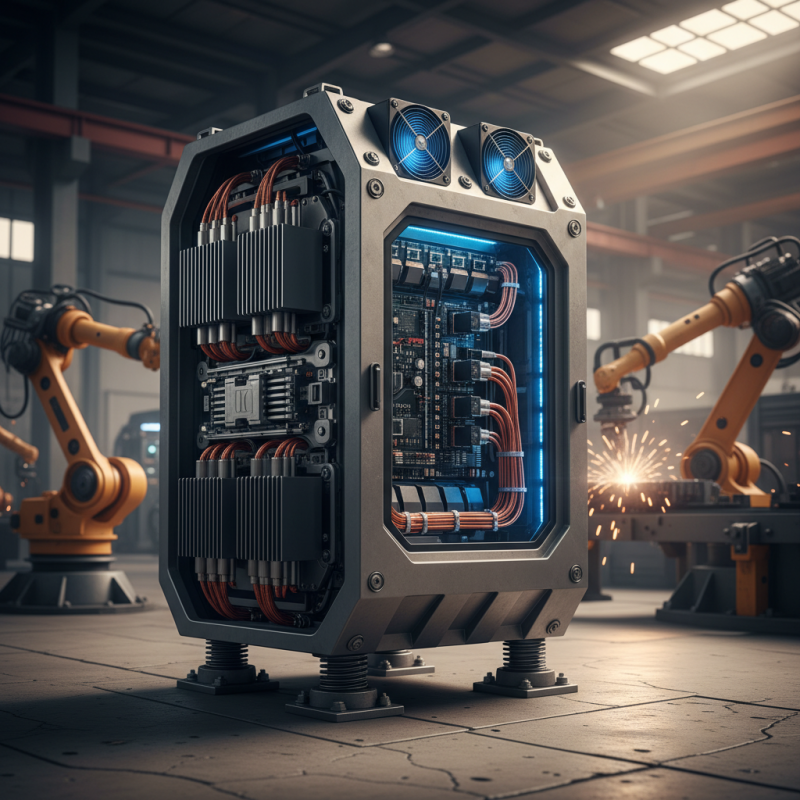
Top Tips to Enhance Durability of Industrial Power Conversion Systems?

Understanding the Importance of Durability in Power Conversion Systems

Durability in power conversion systems is crucial for operational reliability. These systems face numerous challenges in industrial environments, including temperature fluctuations, electrical stresses, and physical vibrations. Understanding these factors is essential for enhancing durability. Systems with robust designs can withstand harsh conditions. However, neglecting these aspects can lead to costly failures.

Regular maintenance is one way to ensure longevity. Routine inspections can identify potential issues before they escalate. Yet, some companies overlook this step, leading to unexpected downtimes. Another vital element is component selection. High-quality components can resist wear and tear effectively. Choosing the wrong parts may seem cost-effective initially but often results in reduced durability later.

Training personnel also plays a significant role. Workers need to understand the system's limitations. Proper usage can prevent unnecessary strain on components. Moreover, investing in real-time monitoring technologies allows for immediate detection of problems. However, some organizations hesitate to adopt new methods, fearing high upfront costs. This hesitation can diminish a system's overall resilience. Making informed choices is necessary for enhancing durability.

Key Factors Affecting the Lifespan of Industrial Power Conversion Equipment

Industrial power conversion systems play a critical role in efficiency and reliability. Understanding what affects their lifespan is essential for optimal performance. Various factors can directly influence durability. For example, ambient temperature and humidity levels can harm electronic components. Continuous exposure to extreme conditions leads to failures.

Proper maintenance is often overlooked. Implementing regular inspections can extend equipment lifespan. Check for dust accumulation, which can cause overheating. Keeping components clean promotes better airflow. This simple tip can significantly reduce wear.

Another key factor is the quality of input power. Fluctuations in voltage can damage sensitive equipment. Investing in surge protection devices can shield against these risks. Monitoring the quality of power supply helps in proactive planning. Companies should prioritize this aspect to minimize costly downtime.

Lastly, training personnel on best practices is crucial. Employees should recognize warning signs of potential issues. A well-informed team can address problems before they escalate. This creates a more resilient industrial environment.

Top Tips to Enhance Durability of Industrial Power Conversion Systems

Best Practices for Thermal Management in Power Conversion Applications

In industrial power conversion systems, thermal management is crucial. Managing heat effectively enhances reliability and performance. Poor thermal management can lead to reduced efficiency and premature failures.

One essential tip is to utilize heat sinks. These components help dissipate heat away from critical areas. Placing them close to heat-generating devices can enhance their effectiveness. Additionally, consider the airflow around power conversion units. Ensuring adequate ventilation can significantly improve cooling efficiency.

Another approach is to monitor temperatures in real-time. Sensors can provide valuable data on thermal conditions. This information helps technicians adjust systems proactively. Regularly reviewing this data aids in identifying potential overheating risks. Lastly, look at the placement of components. Proper spacing can prevent heat buildup. Design should always prioritize airflow.

Top Tips to Enhance Durability of Industrial Power Conversion Systems

Tip Description Benefits Frequency of Implementation
Optimized Thermal Design Design systems with effective heat sinks and airflow channels. Improved heat dissipation, increased lifespan of components. During design phase
Regular Maintenance Schedule periodic inspections and replacements of worn components. Prevents unexpected failures, enhances reliability. Monthly
Ambient Temperature Control Maintain optimal environmental conditions to reduce stress on systems. Protection against overheating, improved efficiency. Continuous
Use of High-Quality Components Invest in durable, reliable materials for construction. Increased system reliability, reduced risk of failure. At setup and replacement
Implementing Protective Circuits Use circuits that can safeguard against power surges and spikes. Prevents damage from electrical irregularities. At installation and during upgrades

The Role of Filtering and Surge Protection in Enhancing Durability

The durability of industrial power conversion systems heavily relies on effective filtering and surge protection. Studies show that around 30% of equipment failures are caused by electromagnetic interference or voltage spikes. These disturbances can significantly reduce the lifespan of sensitive components. Proper filtering mechanisms can mitigate these effects, ensuring clean power delivery to critical circuits.

Moreover, surge protection plays a vital role in enhancing system durability. According to a report by the Electrostatic Discharge Association, over 50% of electronic failures result from transient surges. These surges can occur from lightning strikes or sudden load changes. Implementing surge protection devices can help absorb these spikes, protecting equipment from irreversible damage.

Despite these advancements, challenges remain. Some manufacturers overlook the importance of regular maintenance for filters and surge protection devices. This negligence can lead to reduced effectiveness over time. Ensuring that systems are regularly tested and upgraded is essential. Effective filtering and surge protection are not just add-ons; they are fundamental to extending the life of industrial power systems.

Regular Maintenance Strategies to Ensure Longevity of Power Systems

Regular maintenance plays a crucial role in enhancing the durability of industrial power conversion systems. According to a 2021 study by the Institute of Electrical and Electronics Engineers (IEEE), 70% of equipment failures stem from a lack of proper maintenance. Creating a structured maintenance schedule can significantly reduce unexpected downtimes. Simple tasks such as checking connections, cleaning components, and ensuring proper ventilation can lead to a 25% increase in system reliability.

Routine inspections are equally important. They offer opportunities to spot wear and tear before it escalates. A report from the International Society of Automation revealed that predictive maintenance can improve system efficiency by up to 15%. Technologies such as thermography, vibration analysis, and oil analysis provide actionable insights into equipment health. However, these methods require skilled personnel to implement effectively. Ignoring training can result in costly mishaps.

Moreover, consider the operational environment. Dust, humidity, and extreme temperatures can affect power systems. A facility that overlooks the effects of these elements increases the risk of failure. Regularly replacing filters and ensuring appropriate cooling measures can mitigate risks. Neglecting these details leads to premature system degradation, a situation that could have been avoided with proactive measures.

FAQS

: Why is thermal management important in power conversion systems?

: Effective thermal management improves reliability and performance, preventing efficiency loss and premature failures.

What is a key component for managing heat?

Heat sinks are crucial as they dissipate heat away from critical areas of the system.

How can airflow affect cooling efficiency?

Adequate ventilation enhances cooling by allowing heat to escape, which is vital for power conversion units.

Why should temperatures be monitored in real-time?

Real-time temperature monitoring helps identify overheating risks and allows for proactive adjustments to the system.

How does component placement influence thermal management?

Proper spacing of components can prevent heat buildup and improve overall thermal performance in systems.

What causes many failures in industrial power conversion systems?

Electromagnetic interference and voltage spikes contribute to around 30% of equipment failures.

How can filtering enhance system durability?

Filtering mechanisms provide clean power to circuits, protecting sensitive components from damaging disturbances.

What role does surge protection play?

Surge protection absorbs voltage spikes, shielding equipment from potential irreversible damage due to transient surges.

What common oversight do manufacturers make regarding surge protection?

Many overlook regular maintenance of filters and surge protection, leading to decreased effectiveness over time.

Are filtering and surge protection optional?

They are essential for extending the life of industrial power systems, not just beneficial add-ons.

Conclusion

Enhancing the durability of industrial power conversion systems is crucial for ensuring their reliability and longevity in demanding environments. Understanding the importance of durability involves recognizing the key factors that affect the lifespan of power conversion equipment, such as temperature fluctuations, electrical stress, and mechanical wear. Implementing best practices for thermal management, including adequate cooling solutions and heat dissipation techniques, can significantly contribute to system longevity.

Additionally, the role of filtering and surge protection cannot be overlooked, as these elements help safeguard equipment from voltage spikes and electromagnetic interference. Regular maintenance strategies, such as routine inspections and timely repairs, play a vital role in identifying potential issues before they escalate. By adopting these measures, industries can effectively enhance the durability of industrial power conversion systems, leading to improved performance and reduced downtime.

Sophia

Sophia

Sophia is a dedicated marketing professional with an exceptional depth of knowledge about her company's products and services. With a keen understanding of market trends and customer needs, she crafts insightful blog posts that not only inform but also engage readers, enriching the company’s online......