Choosing the right Buck-Boost Converters can be challenging. These devices adjust voltage levels in various applications. They are essential in powering electronics efficiently.
When selecting a converter, consider your specific needs. Think about input and output voltage ranges. Efficiency ratings matter too. Different models function better under varying conditions.
Sometimes, decisions might feel overwhelming. Misunderstanding specifications can lead to poor choices. Reflect on your requirements before making a final selection. Ultimately, the right Buck-Boost Converter enhances performance and reliability in your projects.
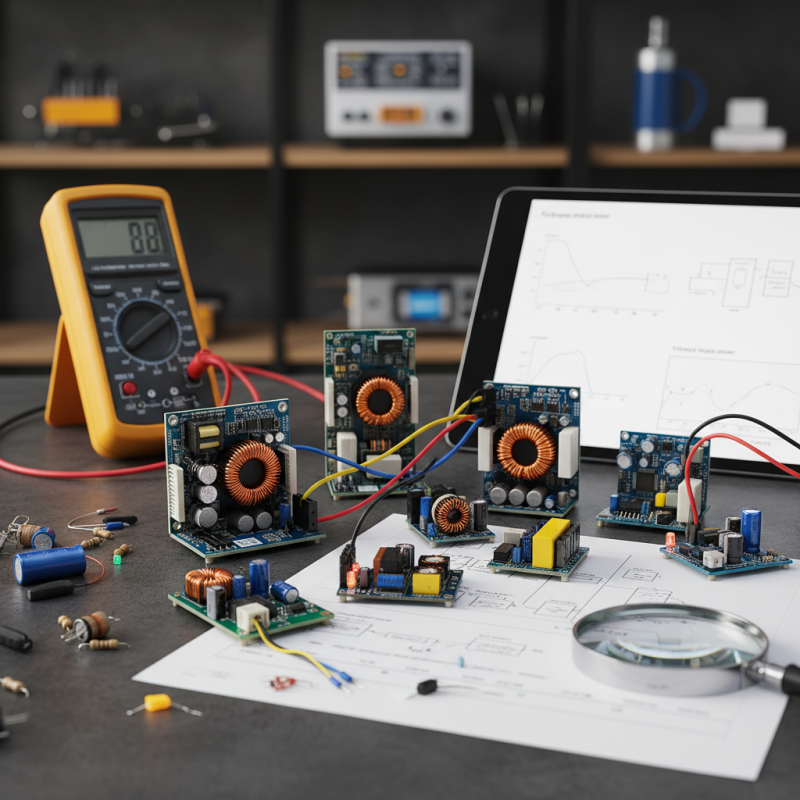
Buck boost converters are essential components in modern electronics. They efficiently manage voltage levels, allowing devices to operate optimally. These converters can step up or step down voltage, making them versatile. Understanding how they work is crucial before making a choice.
A buck boost converter combines two functions. It can reduce voltage from a higher input and increase from a lower input. This dual functionality is useful in renewable energy systems, like solar panels. For instance, when sunlight is dim, the converter boosts the voltage, ensuring the system continues to operate smoothly. However, selecting the right converter can be tricky. Factors like input voltage range and load requirements must be considered.
Real-life application often reveals challenges. Some users underestimate the converter's efficiency ratings. Others may overlook the thermal management aspect, leading to overheating. This can cause equipment failure or damage. As technology evolves, being informed about the latest options and trends becomes vital for a successful implementation.
When selecting a buck-boost converter, several key factors demand attention. Efficiency is crucial. A converter with high efficiency minimizes energy loss. It ensures reliable performance in various applications. Consider the voltage range too. Identify the input and output voltage levels your project requires. Ideally, the converter should handle these levels flexibly. If the specifications are too tight, you may face limitations.
The current rating is another important aspect. Ensure the converter can deliver the required output current without overheating. A margin above your needs can help prevent issues. Size matters as well. Some projects require compact designs. Yet, smaller units may compromise performance. Find a balance that fits your system.
Lastly, take into account thermal management. A buck-boost converter can generate heat during operation. Good thermal performance extends its lifespan. Use heatsinks or ensure adequate airflow. Keep in mind that not all converters perform equally under real-world conditions. Testing in your actual environment may reveal weaknesses. Your specific requirements will ultimately guide your choice.
When selecting a buck-boost converter, understanding voltage and current requirements is crucial. Start by identifying the voltage range needed for your specific application. Different devices may require varying input and output voltage levels. Measure the maximum voltage your device can handle to avoid damage. A converter should meet or exceed this requirement.
Current ratings are equally important. Determine the minimum and maximum current your application will draw. This ensures that the converter can handle the load without overheating. If you underestimate these needs, your system may become unstable or fail. Consider the efficiency of the converter as well. A less efficient model may waste power, generating heat and affecting overall performance.
It's also helpful to think about future needs. If you plan to expand your system, choose a converter that can accommodate higher loads. However, predicting the future can be tricky. Requirements may change over time, and your initial choice might not suffice. Reflect on these factors carefully before making a decision. Adjustments later can be costly and time-consuming.
When selecting a buck-boost converter, efficiency ratings and performance metrics are crucial. Efficiency typically ranges from 85% to 95% for high-quality converters. This range can significantly impact your overall system performance. For instance, a 90% efficiency means that 10% of your energy is lost as heat. This loss can lead to increased cooling requirements and lower overall performance.
Performance metrics such as transient response times and load regulation are equally important. A good converter should maintain stable output voltage even with varying input conditions. Some converters achieve transient responses as fast as 10 µs. This quick response can be vital in applications where load changes frequently. However, not all converters provide clear metrics, making it essential to research deeply.
Consider the operating temperature and input voltage range. Some units can work effectively in extreme temperatures, while others may falter. Performance under these conditions is often overlooked but is critical for long-term reliability. Always check the datasheets for specific performance curves and real-world tests. These details will guide you in choosing a buck-boost converter that meets your unique requirements.
Buck-boost converters are versatile devices. They can step up or step down voltage levels. This capability makes them ideal for various applications. One common use is in battery-powered devices. These converters can manage voltage fluctuations effectively. They ensure that sensitive electronics operate smoothly without damage.
In renewable energy systems, buck-boost converters play a crucial role. For example, in solar panels, they adjust output voltage. This adjustment maximizes energy conversion. Some users might face challenges with efficiency. Inconsistent performance can occur due to improper sizing. It's important to select the right specifications based on the application.
Automotive systems also benefit from these converters. They support systems such as LED lights and sensors. Maintaining stable voltage is vital for reliability. While many applications exist, improper use can lead to failures. Users must consider their unique needs carefully. Balancing performance and efficiency may require some trial and error.
: Knowing voltage requirements prevents device damage. It helps ensure the converter meets your application's needs.
Measure the minimum and maximum current your application draws. This prevents overheating and maintains system stability.
Underestimation can cause system instability or failure. It’s essential to accurately assess requirements early on.
Yes, future needs are important. Requirements may change, and it's better to choose a more versatile converter upfront.
They are used in battery-powered devices, renewable energy systems, and automotive applications. Different needs dictate their use.
Users may face efficiency issues or inconsistent performance. Proper sizing based on application is crucial to avoid problems.
Maintaining stable voltage is vital. Focus on specific needs for reliable performance in vehicles.
Yes, it can be tricky. Future requirements may differ, making your initial choice potentially inadequate.
Lower efficiency can waste power and generate heat. This affects overall performance, making it essential to choose wisely.
Choosing improperly may lead to failures. Users should carefully balance performance with the application’s unique demands.
Buck-Boost Converters are essential components in power management, allowing for efficient voltage regulation across a range of applications. Understanding the basics is crucial for users to select the right converter for their needs. Key factors to consider include evaluating specific voltage and current requirements pertinent to a given application, as well as comparing efficiency ratings and performance metrics to ensure optimal functionality.
In practice, Buck-Boost Converters find utility in various scenarios, from enabling battery-powered devices to managing renewable energy systems. It is vital to carefully assess these factors to ensure the chosen converter meets both efficiency and performance standards, thereby enhancing the overall effectiveness of the application at hand. Selecting the appropriate Buck-Boost Converter can significantly impact the reliability and durability of the system it supports.

JDI Power Supply