In today's tech-driven world, powering devices efficiently is crucial. High Efficiency Power Adapters can play a significant role in this landscape. They convert more energy from the source, reducing waste and saving costs. According to a report by the U.S. Department of Energy, traditional power adapters waste about 30% of energy during operation.
Consumers are increasingly focusing on sustainability. A study by the Energy Saving Trust indicates that upgrading to High Efficiency Power Adapters can reduce energy use by 15% to 20%. This shift not only benefits the environment but also lowers electricity bills. However, many users remain unaware of the advantages these adapters provide.
Yet, not all high-efficiency options are created equal. Some may still lag in performance or compatibility. Careful evaluation is necessary to find the best fit for specific devices. Ultimately, choosing High Efficiency Power Adapters can lead to significant energy savings and a reduced carbon footprint, but it requires informed decisions.
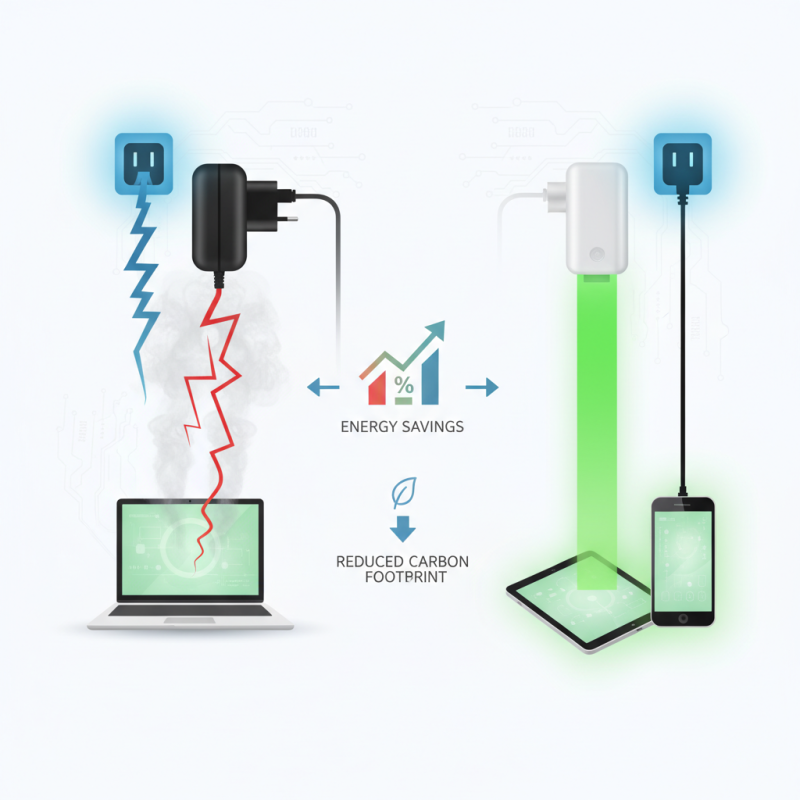
High efficiency power adapters are revolutionizing how we charge our devices. These innovative tools convert more energy, reducing waste. Traditional adapters often waste energy as heat. High efficiency models use advanced technology to improve energy transfer. This means they draw less power from the outlet while maintaining the same performance.
Choosing high efficiency adapters has practical benefits. They can lead to lower electricity bills over time. Moreover, they contribute to a greener environment. With growing concerns about energy consumption, this choice matters. However, not all adapters claim to be efficient. It's essential to research before buying one. Poor quality products can negate the benefits.
Sometimes, we overlook the impact of our choices. Many people use old or subpar chargers. These can cause devices to charge slowly or even damage them over time. Energy efficiency isn't just a trend; it’s a necessity. Adopting high efficiency power adapters is one way to make a significant change. We might need to reflect on our habits and make smarter choices.
High efficiency power adapters are designed with advanced technology to minimize energy loss. They convert electrical power more effectively than traditional models. This means they waste less energy, which is crucial for the environment. Using less power can also lower energy bills, making these adapters economical choices.
The technology in these adapters often includes features like better circuit designs and improved materials. For example, they frequently use transformers and filters that enhance energy conversion. Some models even employ smart technology to adjust power output based on device needs. This can lead to longer device lifespans, though not all users are aware of these benefits. The initial cost may seem high, and this can be a barrier for some. Many users wonder if the savings justify the expense.
There's a growing awareness of environmental impacts. However, the transition to high-efficiency models is slow. Some devices still come with outdated adapters, leading to confusion. Users may inadvertently stick with less efficient products due to lack of information. This is an area that requires more attention and thought.
When selecting power adapters, understanding efficiency ratings is crucial. Efficiency determines how well a device converts electricity into usable power. Higher efficiency means less energy waste. This not only saves money but also reduces the environmental impact.
Look for stars! Energy Star ratings indicate high efficiency. An adapter with a rating of 85% or more is usually ideal. Some models might promise better performance but fall short in real-world use. Efficiency does not guarantee quality, and it’s essential to check user reviews.
Tips: Always match the adapter’s voltage and amperage to your device. A mismatched adapter can lead to overheating. Additionally, consider the adapter's design. Compact adapters may lack heat dissipation, impacting long-term performance. Remember, higher efficiency can sometimes mean higher costs up front. Weigh the long-term savings against the initial price to make the best choice for your needs.
Using high efficiency power adapters is crucial for reducing environmental impact. These adapters convert energy more effectively, which means less wasted electricity. With global energy consumption rising, every bit counts. A more efficient device minimizes greenhouse gas emissions, contributing to a healthier planet.
When choosing power adapters, remember some can still be inefficient. Check for energy certifications before purchasing. Adapters that meet stringent guidelines use less energy when idle. This small step can lead to significant energy savings in the long run.
Consider using timers or smart plugs. They can prevent devices from drawing power while not in use. This can help in minimizing energy waste. Reflect on your habits. Are you leaving chargers plugged in all day? Simple changes can make a difference and inspire others to follow suit.
| Power Adapter Type | Efficiency Rating | Energy Consumption (kWh/year) | Carbon Footprint (kg CO2/year) | Estimated Cost Savings ($/year) |
|---|---|---|---|---|
| Standard Adapter | 80% | 300 | 150 | N/A |
| High Efficiency Adapter | 90% | 250 | 125 | 25 |
| Ultra-High Efficiency Adapter | 95% | 220 | 110 | 40 |
High efficiency power adapters have become increasingly vital for modern devices. These adapters convert electricity with an efficiency rate often exceeding 90%. According to the U.S. Department of Energy, using energy-efficient adapters can save consumers up to 40% on their energy bills. This is significant, considering the rising electricity costs in many regions.
Running non-efficient adapters can also lead to excess heat. This waste not only shortens the lifespan of your devices but also increases your carbon footprint. A report from the Energy Star program indicates that consumers can reduce their energy use by nearly 1.3 billion kilowatt-hours annually by switching to high efficiency models. That’s enough energy to power over 110,000 homes for a year.
Moreover, the initial investment in high efficiency power adapters can seem daunting for some. However, the long-term savings can outweigh the upfront costs. The lifespan of these adapters often surpasses standard models. Additionally, their lower energy consumption contributes to sustainability. This is a choice to reflect on deeply, as energy efficiency is not just a personal cost-saving measure; it’s an environmental necessity.
: Efficiency rating indicates how well an adapter converts electricity into usable power. Higher efficiency means less energy waste.
Look for Energy Star ratings. An ideal adapter typically has a rating of 85% or more.
Not necessarily. Some high-rated models may not perform well in real-world use. Always read user reviews.
Mismatched specifications can cause overheating. It's essential to use the correct voltage and amperage.
Yes, compact models may struggle with heat dissipation. This can hurt performance over time.
Higher efficiency can mean higher upfront costs. Consider long-term savings before making a choice.
They waste less electricity and minimize greenhouse gas emissions, aiding in a healthier planet.
Use timers or smart plugs. They prevent devices from drawing power when not in use.
No, leaving chargers plugged in can waste energy. Simple changes in habits can make a difference.
Look for energy certifications. Adapters meeting strict guidelines use less energy when idle.
High Efficiency Power Adapters are designed to optimize energy usage, making them a smart choice for powering various devices. These adapters utilize advanced technology to reduce energy waste, contributing to improved efficiency ratings. When selecting a high efficiency adapter, consumers should look for specific efficiency ratings that indicate superior performance.
Furthermore, using High Efficiency Power Adapters not only benefits users economically through reduced electricity bills but also has a positive environmental impact by lowering energy consumption. Over time, the cost savings and environmental advantages make these adapters a worthwhile investment for both individuals and businesses looking to enhance their energy efficiency.

JDI Power Supply