Choosing a power adapter for a harsh environment takes more than comparing wattage and price. A unit may run beside a dusty production line, inside a hot control cabinet, or in a vehicle exposed to vibration. Small details count. Cable strain relief, sealed seams, component temperature ratings, and secure connectors can influence performance over time. A high ingress-protection rating helps only when the finished product has been tested and the installation matches its limits.
For buyers evaluating Chinese manufacturers, the key question is how reliability is demonstrated. Ask for temperature-rise data, vibration-test conditions, safety and EMC reports, and clear traceability for components. Check whether output remains stable at the intended load and ambient temperature. Power-systems teams should also review derating guidance; a supply that works on a cool bench may behave differently in a sealed cabinet. Quality-management expert W. Edwards Deming said, “Quality comes not from inspection, but from improvement of the production process.” That principle applies here: repeatable assembly and documented testing matter as much as a final inspection. Still, no checklist catches everything. Field feedback should update design and supplier reviews.
This guide explores ways to Enhance reliability of power adapters in harsh environments, from enclosure choices to thermal design and verification. It also considers what makes a supplier dependable: consistent test records, responsive engineering support, and honest limits on operating conditions. A polished datasheet is useful, but it is not proof by itself. Look for evidence that matches the actual application, including its heat, dust, moisture, and vibration. The right adapter is not simply the toughest-looking one. It is the one whose performance has been checked against the conditions it will face.
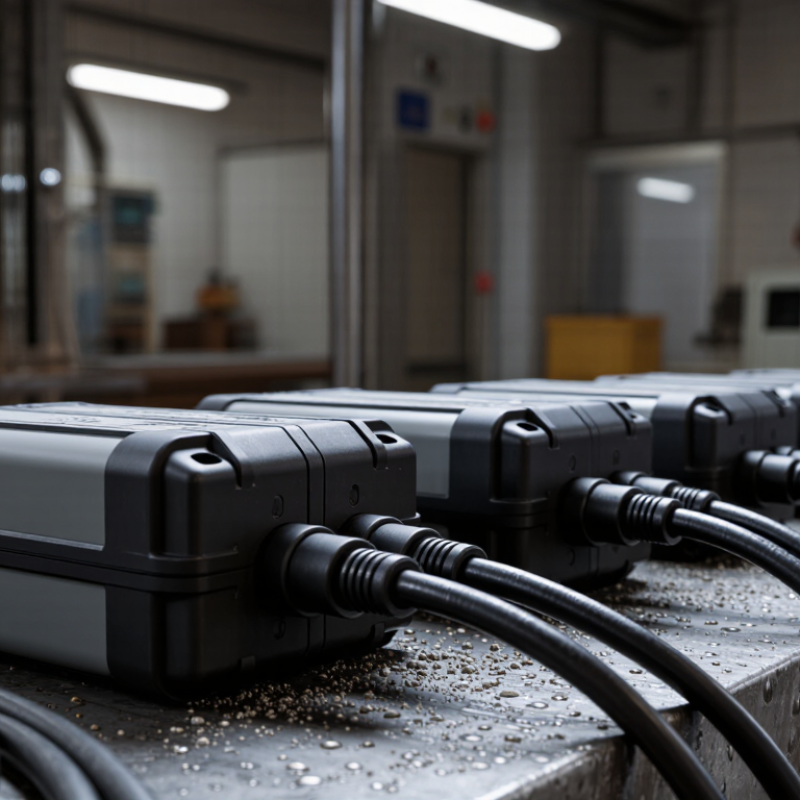
An IP67 rating matters when an adapter may face splashes, washdown, or accidental submersion. Under defined test conditions, the enclosure is dust-tight and can withstand immersion in one metre of water for 30 minutes. That limit is specific. It does not mean the adapter is suitable for deeper water or prolonged exposure.
In practice, check how the rating applies to the complete unit. A sealed housing offers little protection if cable entries, seams, or unused connector ports remain exposed. Look for secure glands and intact seals. Inspect them after installation, especially where cables bend or vibrate. Small details matter.
The test conditions are controlled; field conditions are not. Water temperature, movement, pressure, and wear can change the risk. The label can look reassuring. It is not a field guarantee. For an installation near standing water, confirm the mounting position and follow the manufacturer’s immersion instructions. Keep connectors dry unless their protection is explicitly rated for that use. A cautious site check may reveal a weak seal that paperwork misses. IP67 is a useful baseline, but the actual environment should guide the final selection.
No. It evaluates energy sources and safeguards against shock, fire, and injury. Simple labels can mislead.
Compare the input voltage, output voltage, output current, insulation, enclosure, and accessible surfaces. Check the exact model revision.
No. It identifies the output, but not the complete protection design. Request test reports or conformity records.
Match its documented operating conditions to the site. Check enclosure protection, heat escape, cable strain relief, and connector retention.
No. It does not establish complete ingress protection. A dusty area may need separately documented enclosure performance.
Long cables can act like antennas. Test the adapter with its intended load, cable routing, and enclosure.
Measure radiated and conducted emissions. Record the setup, operating load, cable arrangement, and worst readings.
Not always. A warm adapter beside metalwork may behave differently. Recheck after enclosure or component changes.
Compare the label, datasheet, and test documents. Ask for clarification before purchasing if revisions do not match. Small gaps matter.
Reliable power adapters for harsh environments must be selected according to the conditions they will face, including moisture, dust, temperature changes, and electrical noise. An IP67 rating indicates protection against dust and temporary immersion in up to 1 meter of water for 30 minutes under specified test conditions. Safety classification under IEC 62368-1 helps assess hazards related to electrical and thermal energy, while temperature-cycle testing based on IEC 60068-2-14 can help evaluate durability as temperatures rise and fall.
To Enhance reliability of power adapters in harsh environments, verify electromagnetic emissions against CISPR 32 and compare the adapter’s rated input and output with the equipment’s requirements. The appropriate IP protection level should match the actual installation and exposure risks. Reviewing these specifications together supports a more informed selection and helps reduce the likelihood of performance problems in demanding operating conditions.

 JDI Power Supply